Yokohama
Yokohama
Yokohama
Yokohama
Yokohama (Japanese: 横浜) is the second-largest city in Japan by population and area, making it the country’s most populous municipality. As the capital city of Kanagawa Prefecture, Yokohama lies on Tokyo Bay, just south of Tokyo, in the Kantō region of Honshu—the main island of Japan.
Here are some key facts about Yokohama:
Historical Significance:
Yokohama was one of the first cities to open for trade with the West after Japan ended its policy of seclusion in 1859.
It quickly became a cosmopolitan port city, alongside Kobe, and played a crucial role in Japan’s modernization during the Meiji period.
Notable firsts in Yokohama include Japan’s first foreign trading port, Chinatown, European-style sports venues, and gas-powered street lamps.
Economic and Cultural Hub:
Yokohama is a major economic, cultural, and commercial center within the Greater Tokyo Area.
It hosts headquarters of prominent companies like Isuzu, Nissan, JVCKenwood, Keikyu, and Salesforce Japan.
The city’s Keihin Industrial Zone contributes significantly to Japan’s industrial output.
Urban Landscape and Attractions:
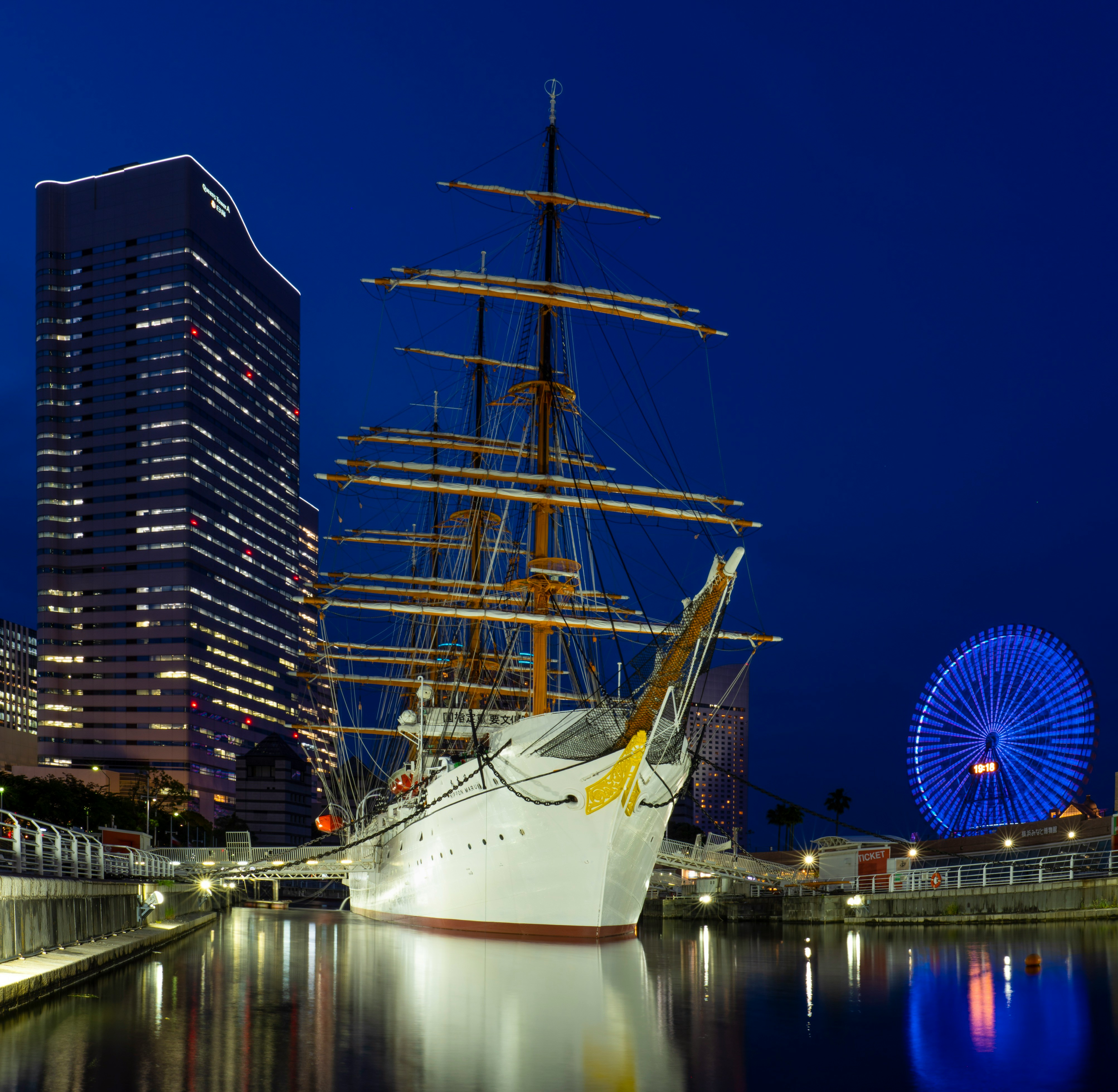
Minato Mirai 21, a futuristic waterfront district, features iconic landmarks such as the Yokohama Marine Tower and Nippon Maru Memorial Park.
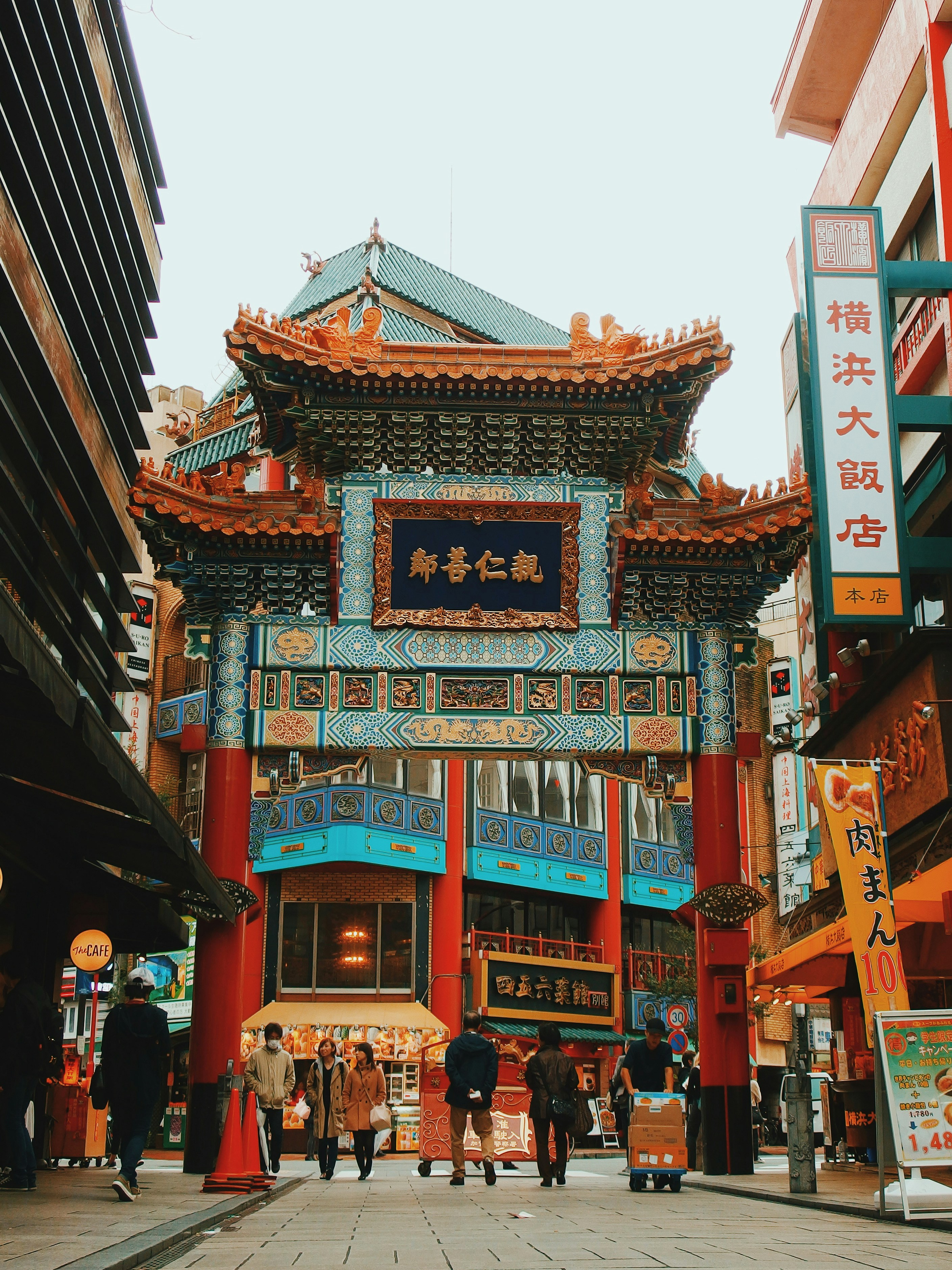
Yokohama Chinatown, established in 1859, is one of the largest Chinatowns in the world.
Motomachi Shopping Street offers a blend of European-style architecture and modern boutiques.
Sankei-en, a traditional Japanese garden, provides a serene escape from the bustling city.
Resilience and Rebuilding:
Yokohama faced significant challenges, including destruction during the 1923 Tokyo-Yokohama earthquake and World War II air raids.
Despite these setbacks, the city rebuilt rapidly and continued to thrive.
Population and Industry:
As of 2020, Yokohama’s population stands at approximately 3.8 million.
It serves as a major port city and high-tech industrial hub, contributing to the Greater Tokyo Area’s dynamism.
In summary, Yokohama’s rich history, vibrant culture, and economic significance make it a fascinating destination for both residents and visitors alike
Yokohama (Japanese: 横浜) is the second-largest city in Japan by population and area, making it the country’s most populous municipality. As the capital city of Kanagawa Prefecture, Yokohama lies on Tokyo Bay, just south of Tokyo, in the Kantō region of Honshu—the main island of Japan.
Here are some key facts about Yokohama:
Historical Significance:
Yokohama was one of the first cities to open for trade with the West after Japan ended its policy of seclusion in 1859.
It quickly became a cosmopolitan port city, alongside Kobe, and played a crucial role in Japan’s modernization during the Meiji period.
Notable firsts in Yokohama include Japan’s first foreign trading port, Chinatown, European-style sports venues, and gas-powered street lamps.
Economic and Cultural Hub:
Yokohama is a major economic, cultural, and commercial center within the Greater Tokyo Area.
It hosts headquarters of prominent companies like Isuzu, Nissan, JVCKenwood, Keikyu, and Salesforce Japan.
The city’s Keihin Industrial Zone contributes significantly to Japan’s industrial output.
Urban Landscape and Attractions:
Minato Mirai 21, a futuristic waterfront district, features iconic landmarks such as the Yokohama Marine Tower and Nippon Maru Memorial Park.
Yokohama Chinatown, established in 1859, is one of the largest Chinatowns in the world.
Motomachi Shopping Street offers a blend of European-style architecture and modern boutiques.
Sankei-en, a traditional Japanese garden, provides a serene escape from the bustling city.
Resilience and Rebuilding:
Yokohama faced significant challenges, including destruction during the 1923 Tokyo-Yokohama earthquake and World War II air raids.
Despite these setbacks, the city rebuilt rapidly and continued to thrive.
Population and Industry:
As of 2020, Yokohama’s population stands at approximately 3.8 million.
It serves as a major port city and high-tech industrial hub, contributing to the Greater Tokyo Area’s dynamism.
In summary, Yokohama’s rich history, vibrant culture, and economic significance make it a fascinating destination for both residents and visitors alike
Yokohama (Japanese: 横浜) is the second-largest city in Japan by population and area, making it the country’s most populous municipality. As the capital city of Kanagawa Prefecture, Yokohama lies on Tokyo Bay, just south of Tokyo, in the Kantō region of Honshu—the main island of Japan.
Here are some key facts about Yokohama:
Historical Significance:
Yokohama was one of the first cities to open for trade with the West after Japan ended its policy of seclusion in 1859.
It quickly became a cosmopolitan port city, alongside Kobe, and played a crucial role in Japan’s modernization during the Meiji period.
Notable firsts in Yokohama include Japan’s first foreign trading port, Chinatown, European-style sports venues, and gas-powered street lamps.
Economic and Cultural Hub:
Yokohama is a major economic, cultural, and commercial center within the Greater Tokyo Area.
It hosts headquarters of prominent companies like Isuzu, Nissan, JVCKenwood, Keikyu, and Salesforce Japan.
The city’s Keihin Industrial Zone contributes significantly to Japan’s industrial output.
Urban Landscape and Attractions:
Minato Mirai 21, a futuristic waterfront district, features iconic landmarks such as the Yokohama Marine Tower and Nippon Maru Memorial Park.
Yokohama Chinatown, established in 1859, is one of the largest Chinatowns in the world.
Motomachi Shopping Street offers a blend of European-style architecture and modern boutiques.
Sankei-en, a traditional Japanese garden, provides a serene escape from the bustling city.
Resilience and Rebuilding:
Yokohama faced significant challenges, including destruction during the 1923 Tokyo-Yokohama earthquake and World War II air raids.
Despite these setbacks, the city rebuilt rapidly and continued to thrive.
Population and Industry:
As of 2020, Yokohama’s population stands at approximately 3.8 million.
It serves as a major port city and high-tech industrial hub, contributing to the Greater Tokyo Area’s dynamism.
In summary, Yokohama’s rich history, vibrant culture, and economic significance make it a fascinating destination for both residents and visitors alike
Yokohama (Japanese: 横浜) is the second-largest city in Japan by population and area, making it the country’s most populous municipality. As the capital city of Kanagawa Prefecture, Yokohama lies on Tokyo Bay, just south of Tokyo, in the Kantō region of Honshu—the main island of Japan.
Here are some key facts about Yokohama:
Historical Significance:
Yokohama was one of the first cities to open for trade with the West after Japan ended its policy of seclusion in 1859.
It quickly became a cosmopolitan port city, alongside Kobe, and played a crucial role in Japan’s modernization during the Meiji period.
Notable firsts in Yokohama include Japan’s first foreign trading port, Chinatown, European-style sports venues, and gas-powered street lamps.
Economic and Cultural Hub:
Yokohama is a major economic, cultural, and commercial center within the Greater Tokyo Area.
It hosts headquarters of prominent companies like Isuzu, Nissan, JVCKenwood, Keikyu, and Salesforce Japan.
The city’s Keihin Industrial Zone contributes significantly to Japan’s industrial output.
Urban Landscape and Attractions:
Minato Mirai 21, a futuristic waterfront district, features iconic landmarks such as the Yokohama Marine Tower and Nippon Maru Memorial Park.
Yokohama Chinatown, established in 1859, is one of the largest Chinatowns in the world.
Motomachi Shopping Street offers a blend of European-style architecture and modern boutiques.
Sankei-en, a traditional Japanese garden, provides a serene escape from the bustling city.
Resilience and Rebuilding:
Yokohama faced significant challenges, including destruction during the 1923 Tokyo-Yokohama earthquake and World War II air raids.
Despite these setbacks, the city rebuilt rapidly and continued to thrive.
Population and Industry:
As of 2020, Yokohama’s population stands at approximately 3.8 million.
It serves as a major port city and high-tech industrial hub, contributing to the Greater Tokyo Area’s dynamism.
In summary, Yokohama’s rich history, vibrant culture, and economic significance make it a fascinating destination for both residents and visitors alike
Book Trip
Book Trip
Book Trip