Tokyo
Tokyo
Tokyo
Tokyo
Tokyo (Japanese: 東京, Tōkyō) is the capital of Japan and one of the most populous cities in the world. Let’s explore some key facts about this bustling metropolis:
Historical Roots:
The site of Tokyo has been inhabited since ancient times. The small fishing village of Edo existed there for centuries.
Edo’s development into a city occurred during the Tokugawa period (1603–1867) when it became the capital of the Tokugawa shogunate.
With the Meiji Restoration of 1868, which ended the shogunate, the capital was moved to Edo, which was then renamed Tokyo, meaning “eastern capital.”
Population and Urban Agglomeration:
Tokyo is located at the head of Tokyo Bay on the Pacific coast of central Honshu.
It is the focus of the vast metropolitan area often called Greater Tokyo, which is the largest urban and industrial agglomeration in Japan.
As of 2023, Tokyo has over 14 million residents.
Economic and Cultural Hub:
The metropolitan area is the largest industrial, commercial, and financial center in Japan.
Many domestic and international financial institutions and other businesses are headquartered in central Tokyo.
The city is an important wholesale center, where goods from all parts of the country and the world are distributed.
Climate and Landscapes:
Tokyo’s climate is mild in winter and hot and humid in summer.
Early summer and early autumn are rainy seasons, and typhoons usually occur during September and October.
The city is built on low, alluvial plains and adjacent upland hills.
Iconic Landmarks:
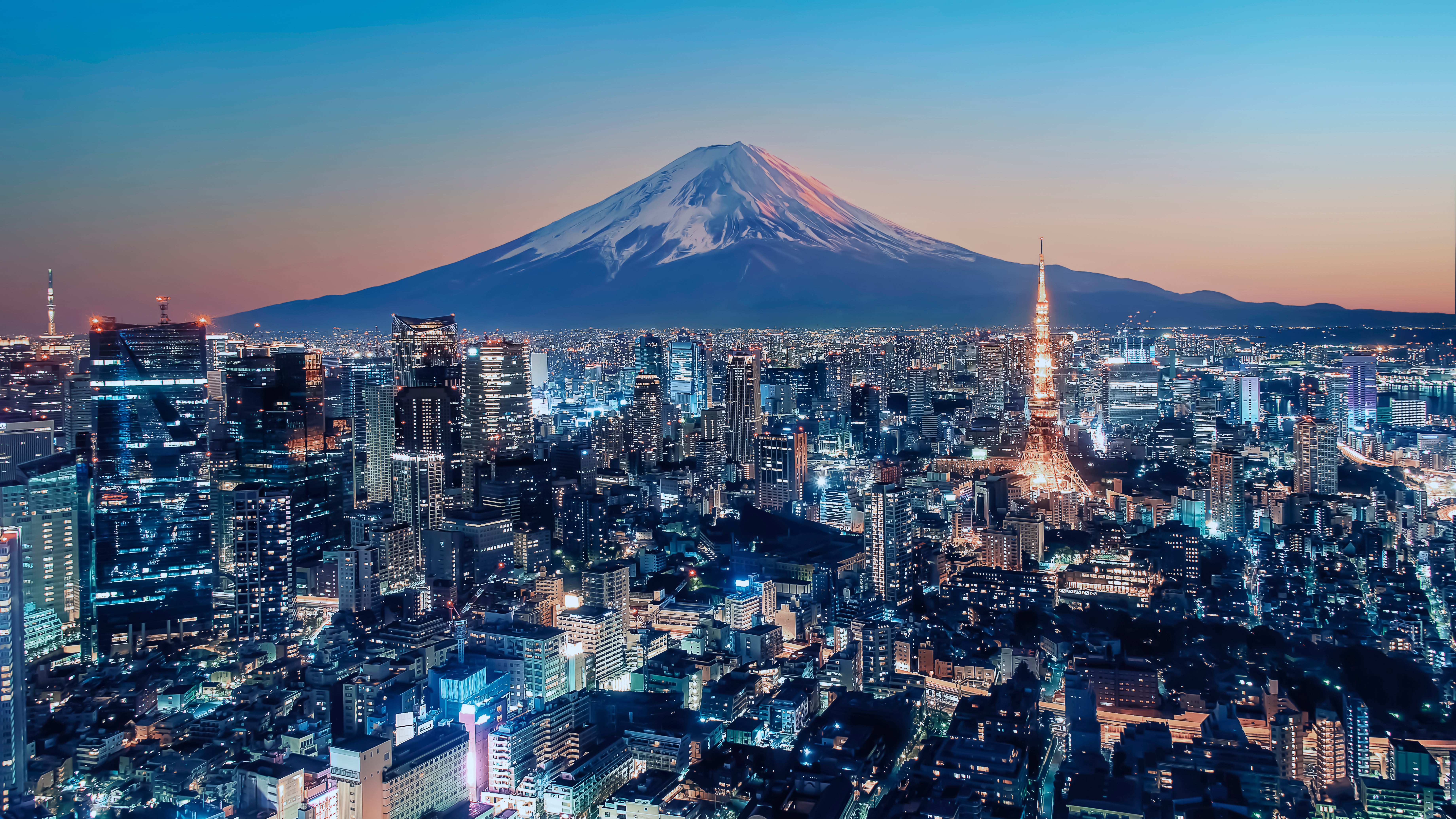
Tokyo Tower, a striking red-and-white lattice structure, offers panoramic views of the city.
The Imperial Palace, surrounded by beautiful gardens, stands as a symbol of Japan’s history.
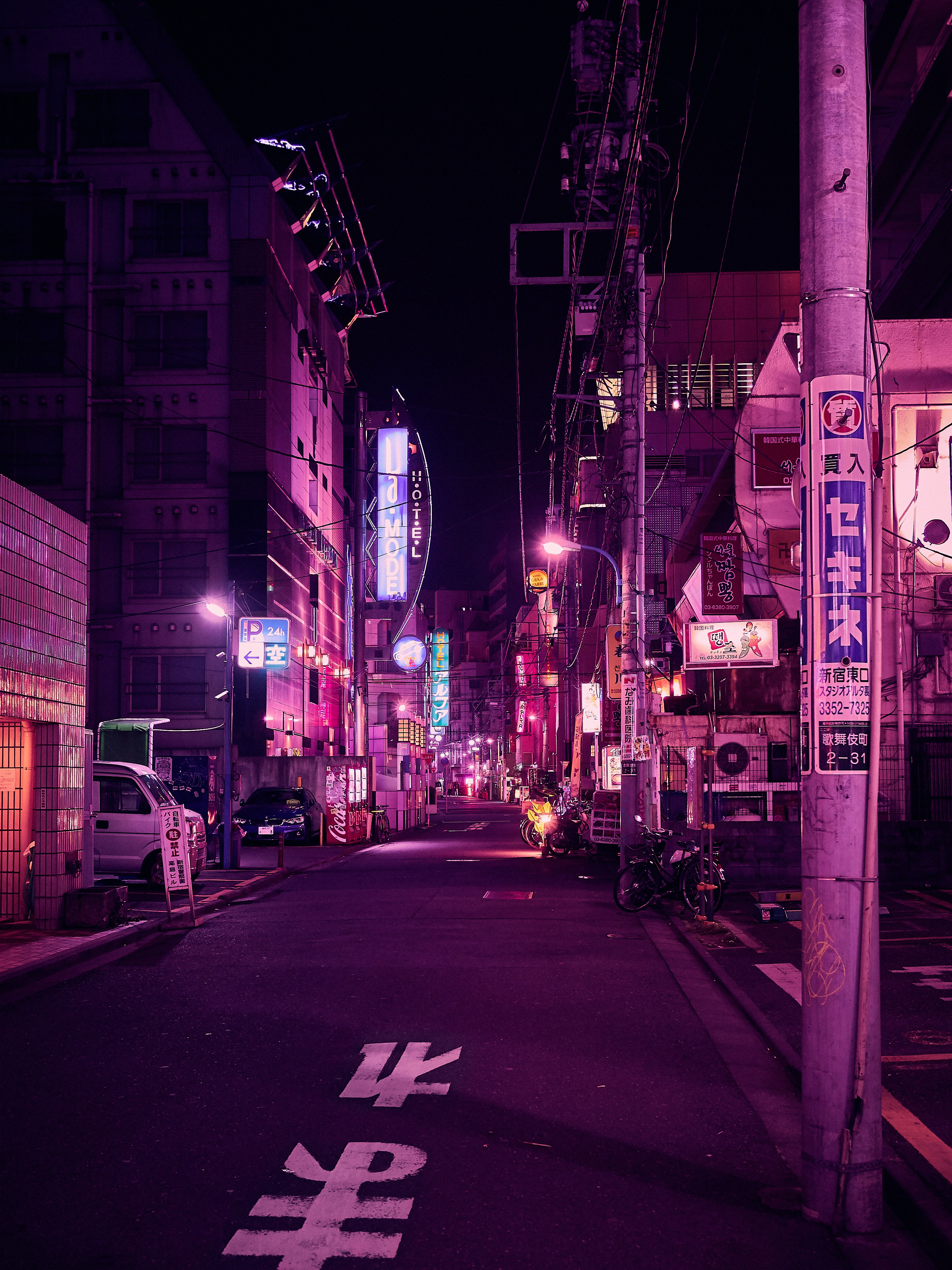
Shibuya Crossing, with its neon lights and bustling crowds, is an iconic intersection.
Cultural Diversity:
Tokyo is a melting pot of cultures, blending traditional Japanese customs with modern innovations.
From ancient temples and shrines to futuristic skyscrapers, the city offers a rich tapestry of experiences.
In summary, Tokyo is a vibrant metropolis where tradition meets innovation, and its dynamic energy captivates visitors from around the world. Whether you’re exploring historic sites or indulging in contemporary delights, Tokyo promises an unforgettable journey
Tokyo (Japanese: 東京, Tōkyō) is the capital of Japan and one of the most populous cities in the world. Let’s explore some key facts about this bustling metropolis:
Historical Roots:
The site of Tokyo has been inhabited since ancient times. The small fishing village of Edo existed there for centuries.
Edo’s development into a city occurred during the Tokugawa period (1603–1867) when it became the capital of the Tokugawa shogunate.
With the Meiji Restoration of 1868, which ended the shogunate, the capital was moved to Edo, which was then renamed Tokyo, meaning “eastern capital.”
Population and Urban Agglomeration:
Tokyo is located at the head of Tokyo Bay on the Pacific coast of central Honshu.
It is the focus of the vast metropolitan area often called Greater Tokyo, which is the largest urban and industrial agglomeration in Japan.
As of 2023, Tokyo has over 14 million residents.
Economic and Cultural Hub:
The metropolitan area is the largest industrial, commercial, and financial center in Japan.
Many domestic and international financial institutions and other businesses are headquartered in central Tokyo.
The city is an important wholesale center, where goods from all parts of the country and the world are distributed.
Climate and Landscapes:
Tokyo’s climate is mild in winter and hot and humid in summer.
Early summer and early autumn are rainy seasons, and typhoons usually occur during September and October.
The city is built on low, alluvial plains and adjacent upland hills.
Iconic Landmarks:
Tokyo Tower, a striking red-and-white lattice structure, offers panoramic views of the city.
The Imperial Palace, surrounded by beautiful gardens, stands as a symbol of Japan’s history.
Shibuya Crossing, with its neon lights and bustling crowds, is an iconic intersection.
Cultural Diversity:
Tokyo is a melting pot of cultures, blending traditional Japanese customs with modern innovations.
From ancient temples and shrines to futuristic skyscrapers, the city offers a rich tapestry of experiences.
In summary, Tokyo is a vibrant metropolis where tradition meets innovation, and its dynamic energy captivates visitors from around the world. Whether you’re exploring historic sites or indulging in contemporary delights, Tokyo promises an unforgettable journey
Tokyo (Japanese: 東京, Tōkyō) is the capital of Japan and one of the most populous cities in the world. Let’s explore some key facts about this bustling metropolis:
Historical Roots:
The site of Tokyo has been inhabited since ancient times. The small fishing village of Edo existed there for centuries.
Edo’s development into a city occurred during the Tokugawa period (1603–1867) when it became the capital of the Tokugawa shogunate.
With the Meiji Restoration of 1868, which ended the shogunate, the capital was moved to Edo, which was then renamed Tokyo, meaning “eastern capital.”
Population and Urban Agglomeration:
Tokyo is located at the head of Tokyo Bay on the Pacific coast of central Honshu.
It is the focus of the vast metropolitan area often called Greater Tokyo, which is the largest urban and industrial agglomeration in Japan.
As of 2023, Tokyo has over 14 million residents.
Economic and Cultural Hub:
The metropolitan area is the largest industrial, commercial, and financial center in Japan.
Many domestic and international financial institutions and other businesses are headquartered in central Tokyo.
The city is an important wholesale center, where goods from all parts of the country and the world are distributed.
Climate and Landscapes:
Tokyo’s climate is mild in winter and hot and humid in summer.
Early summer and early autumn are rainy seasons, and typhoons usually occur during September and October.
The city is built on low, alluvial plains and adjacent upland hills.
Iconic Landmarks:
Tokyo Tower, a striking red-and-white lattice structure, offers panoramic views of the city.
The Imperial Palace, surrounded by beautiful gardens, stands as a symbol of Japan’s history.
Shibuya Crossing, with its neon lights and bustling crowds, is an iconic intersection.
Cultural Diversity:
Tokyo is a melting pot of cultures, blending traditional Japanese customs with modern innovations.
From ancient temples and shrines to futuristic skyscrapers, the city offers a rich tapestry of experiences.
In summary, Tokyo is a vibrant metropolis where tradition meets innovation, and its dynamic energy captivates visitors from around the world. Whether you’re exploring historic sites or indulging in contemporary delights, Tokyo promises an unforgettable journey
Tokyo (Japanese: 東京, Tōkyō) is the capital of Japan and one of the most populous cities in the world. Let’s explore some key facts about this bustling metropolis:
Historical Roots:
The site of Tokyo has been inhabited since ancient times. The small fishing village of Edo existed there for centuries.
Edo’s development into a city occurred during the Tokugawa period (1603–1867) when it became the capital of the Tokugawa shogunate.
With the Meiji Restoration of 1868, which ended the shogunate, the capital was moved to Edo, which was then renamed Tokyo, meaning “eastern capital.”
Population and Urban Agglomeration:
Tokyo is located at the head of Tokyo Bay on the Pacific coast of central Honshu.
It is the focus of the vast metropolitan area often called Greater Tokyo, which is the largest urban and industrial agglomeration in Japan.
As of 2023, Tokyo has over 14 million residents.
Economic and Cultural Hub:
The metropolitan area is the largest industrial, commercial, and financial center in Japan.
Many domestic and international financial institutions and other businesses are headquartered in central Tokyo.
The city is an important wholesale center, where goods from all parts of the country and the world are distributed.
Climate and Landscapes:
Tokyo’s climate is mild in winter and hot and humid in summer.
Early summer and early autumn are rainy seasons, and typhoons usually occur during September and October.
The city is built on low, alluvial plains and adjacent upland hills.
Iconic Landmarks:
Tokyo Tower, a striking red-and-white lattice structure, offers panoramic views of the city.
The Imperial Palace, surrounded by beautiful gardens, stands as a symbol of Japan’s history.
Shibuya Crossing, with its neon lights and bustling crowds, is an iconic intersection.
Cultural Diversity:
Tokyo is a melting pot of cultures, blending traditional Japanese customs with modern innovations.
From ancient temples and shrines to futuristic skyscrapers, the city offers a rich tapestry of experiences.
In summary, Tokyo is a vibrant metropolis where tradition meets innovation, and its dynamic energy captivates visitors from around the world. Whether you’re exploring historic sites or indulging in contemporary delights, Tokyo promises an unforgettable journey
Book Trip
Book Trip
Book Trip