Kinkaku-Ji
Kinkaku-Ji
Kinkaku-Ji
Kinkaku-Ji
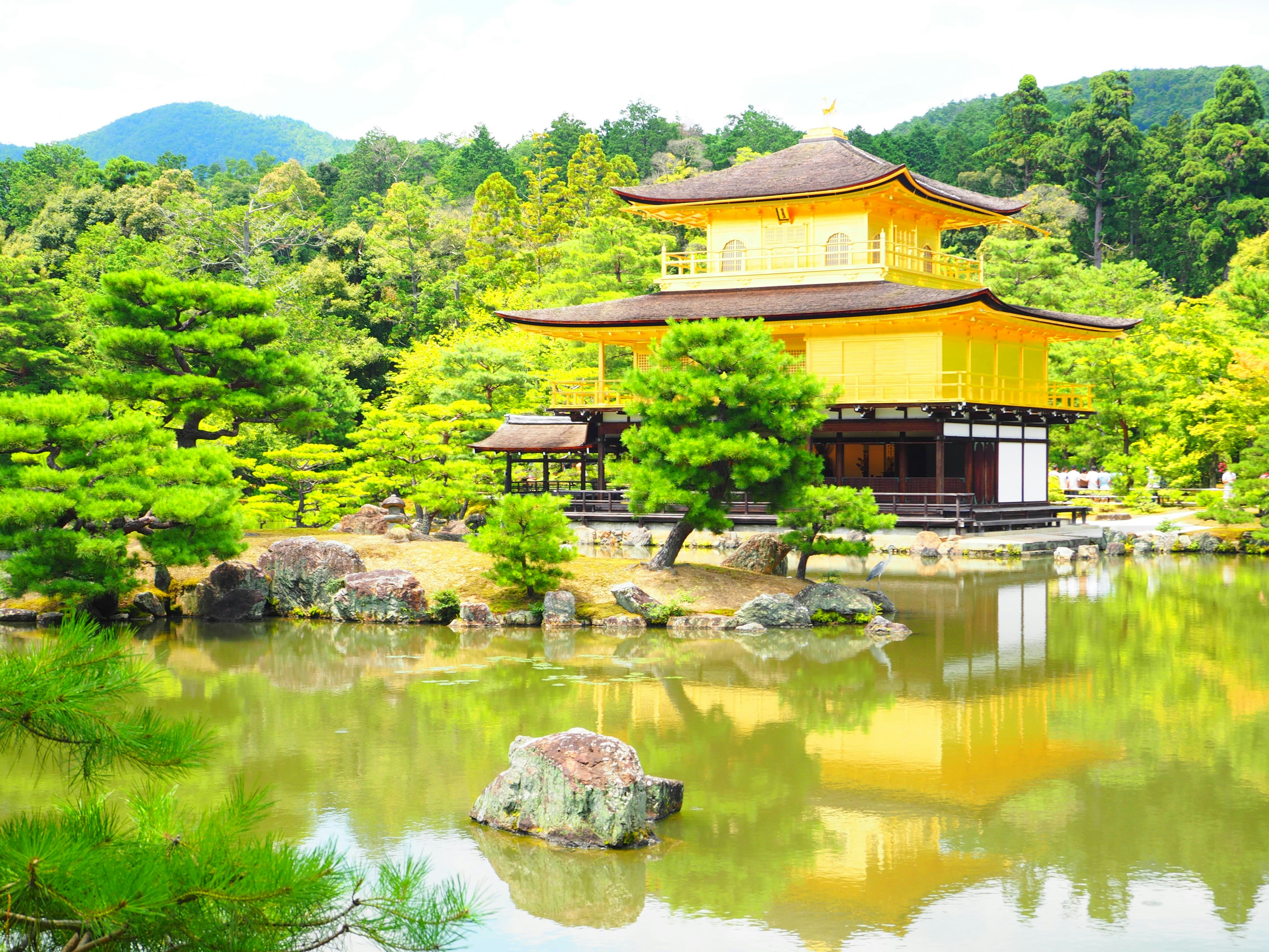
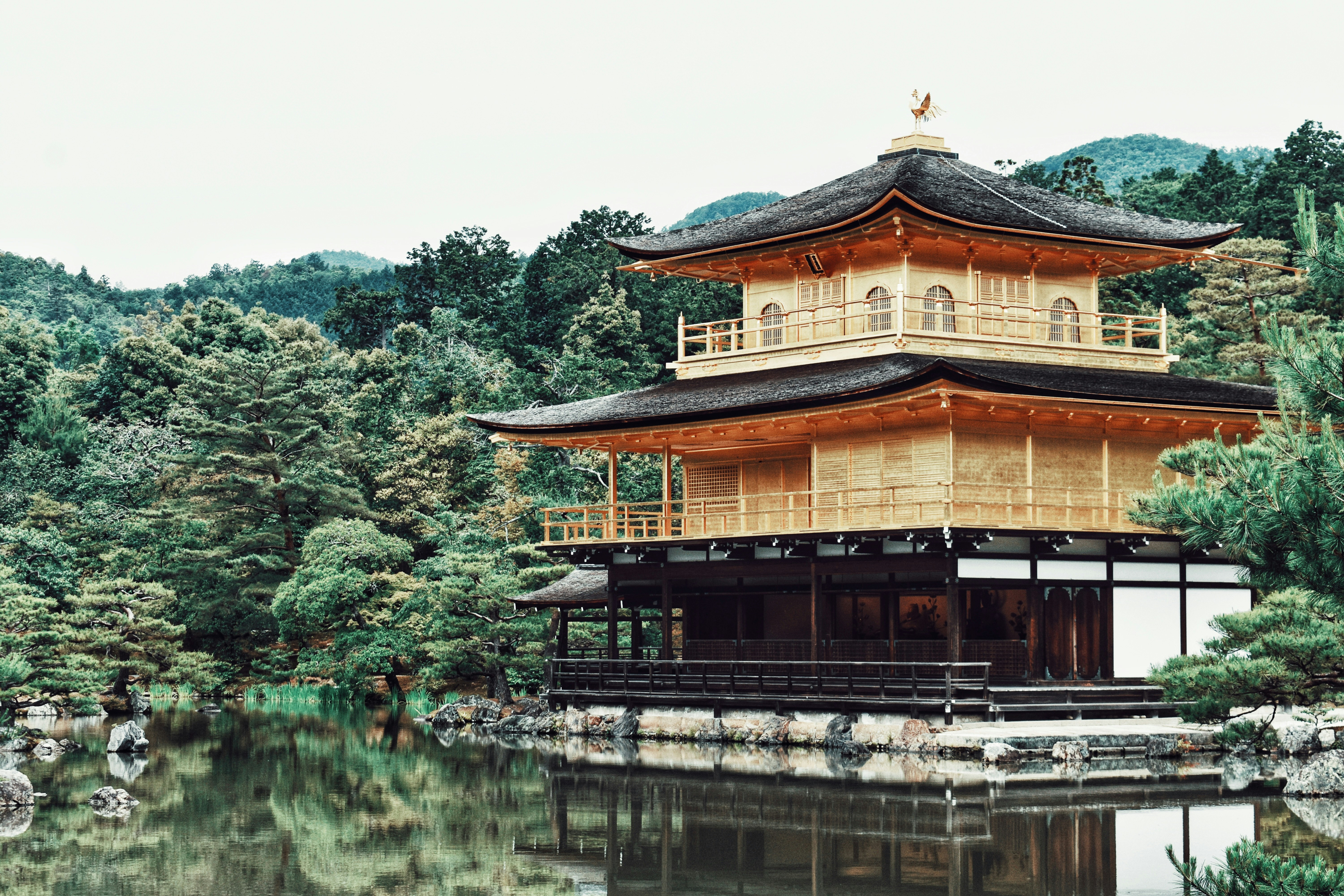
Kinkaku-ji, officially named Rokuon-ji, is a Zen Buddhist temple located in northern Kyoto, Japan. It is widely known as the Golden Pavilion due to its top two floors being completely covered in gold leaf. Here are some key details about this iconic temple:
History and Significance:
Kinkaku-ji’s history dates back to 1397, when it was transformed from a villa called Kitayama-dai into the Kinkaku-ji complex by shōgun Ashikaga Yoshimitsu.
After Yoshimitsu’s death, the building was converted into a Zen temple according to his wishes.
During the Ōnin War (1467–1477), all buildings in the complex except the pavilion were burned down.
The present pavilion structure dates from 1955, when it was rebuilt after a fire.
Architectural Beauty:
The pavilion is three stories high and stands at 12.5 meters (40 feet) in height.
Its design is a close copy of the original, although some debate exists about whether the extensive gold-leaf coating was used on the original structure.
UNESCO World Heritage Site:
Kinkaku-ji is part of the Historic Monuments of Ancient Kyoto, which are World Heritage Sites.
It is designated as a National Special Historic Site and a National Special Landscape.
Visiting Kinkaku-ji allows you to witness the harmonious blend of architecture, nature, and spirituality—a true gem in Kyoto’s cultural landscape
Kinkaku-ji, officially named Rokuon-ji, is a Zen Buddhist temple located in northern Kyoto, Japan. It is widely known as the Golden Pavilion due to its top two floors being completely covered in gold leaf. Here are some key details about this iconic temple:
History and Significance:
Kinkaku-ji’s history dates back to 1397, when it was transformed from a villa called Kitayama-dai into the Kinkaku-ji complex by shōgun Ashikaga Yoshimitsu.
After Yoshimitsu’s death, the building was converted into a Zen temple according to his wishes.
During the Ōnin War (1467–1477), all buildings in the complex except the pavilion were burned down.
The present pavilion structure dates from 1955, when it was rebuilt after a fire.
Architectural Beauty:
The pavilion is three stories high and stands at 12.5 meters (40 feet) in height.
Its design is a close copy of the original, although some debate exists about whether the extensive gold-leaf coating was used on the original structure.
UNESCO World Heritage Site:
Kinkaku-ji is part of the Historic Monuments of Ancient Kyoto, which are World Heritage Sites.
It is designated as a National Special Historic Site and a National Special Landscape.
Visiting Kinkaku-ji allows you to witness the harmonious blend of architecture, nature, and spirituality—a true gem in Kyoto’s cultural landscape
Kinkaku-ji, officially named Rokuon-ji, is a Zen Buddhist temple located in northern Kyoto, Japan. It is widely known as the Golden Pavilion due to its top two floors being completely covered in gold leaf. Here are some key details about this iconic temple:
History and Significance:
Kinkaku-ji’s history dates back to 1397, when it was transformed from a villa called Kitayama-dai into the Kinkaku-ji complex by shōgun Ashikaga Yoshimitsu.
After Yoshimitsu’s death, the building was converted into a Zen temple according to his wishes.
During the Ōnin War (1467–1477), all buildings in the complex except the pavilion were burned down.
The present pavilion structure dates from 1955, when it was rebuilt after a fire.
Architectural Beauty:
The pavilion is three stories high and stands at 12.5 meters (40 feet) in height.
Its design is a close copy of the original, although some debate exists about whether the extensive gold-leaf coating was used on the original structure.
UNESCO World Heritage Site:
Kinkaku-ji is part of the Historic Monuments of Ancient Kyoto, which are World Heritage Sites.
It is designated as a National Special Historic Site and a National Special Landscape.
Visiting Kinkaku-ji allows you to witness the harmonious blend of architecture, nature, and spirituality—a true gem in Kyoto’s cultural landscape
Kinkaku-ji, officially named Rokuon-ji, is a Zen Buddhist temple located in northern Kyoto, Japan. It is widely known as the Golden Pavilion due to its top two floors being completely covered in gold leaf. Here are some key details about this iconic temple:
History and Significance:
Kinkaku-ji’s history dates back to 1397, when it was transformed from a villa called Kitayama-dai into the Kinkaku-ji complex by shōgun Ashikaga Yoshimitsu.
After Yoshimitsu’s death, the building was converted into a Zen temple according to his wishes.
During the Ōnin War (1467–1477), all buildings in the complex except the pavilion were burned down.
The present pavilion structure dates from 1955, when it was rebuilt after a fire.
Architectural Beauty:
The pavilion is three stories high and stands at 12.5 meters (40 feet) in height.
Its design is a close copy of the original, although some debate exists about whether the extensive gold-leaf coating was used on the original structure.
UNESCO World Heritage Site:
Kinkaku-ji is part of the Historic Monuments of Ancient Kyoto, which are World Heritage Sites.
It is designated as a National Special Historic Site and a National Special Landscape.
Visiting Kinkaku-ji allows you to witness the harmonious blend of architecture, nature, and spirituality—a true gem in Kyoto’s cultural landscape
Book Trip
Book Trip
Book Trip