Kyoto
Kyoto
Kyoto
Kyoto
Kyoto, also known as Heian-kyō, Miyako, and Saikyō, holds a special place in Japan’s cultural heritage. Let me share some fascinating facts about this enchanting city:
Historical Significance:
Kyoto was Japan’s capital for over 1,000 years (from 794 to 1868).
Its original name, Heian-kyō, translates to “Capital of Peace and Tranquillity.”
After the Meiji Restoration in 1868, when the imperial household moved to Tokyo, Kyoto became known as Saikyō (“Western Capital”).
Cultural Heartbeat:
Kyoto is the centre of traditional Japanese culture and Buddhism.
It’s a city where fine textiles, exquisite craftsmanship, and other Japanese products thrive.
The deep reverence for culture and heritage draws visitors—almost a third of Japan’s population visits Kyoto annually.
UNESCO World Heritage Sites:
Several historic temples and gardens in Kyoto were collectively designated as a UNESCO World Heritage site in 1994.
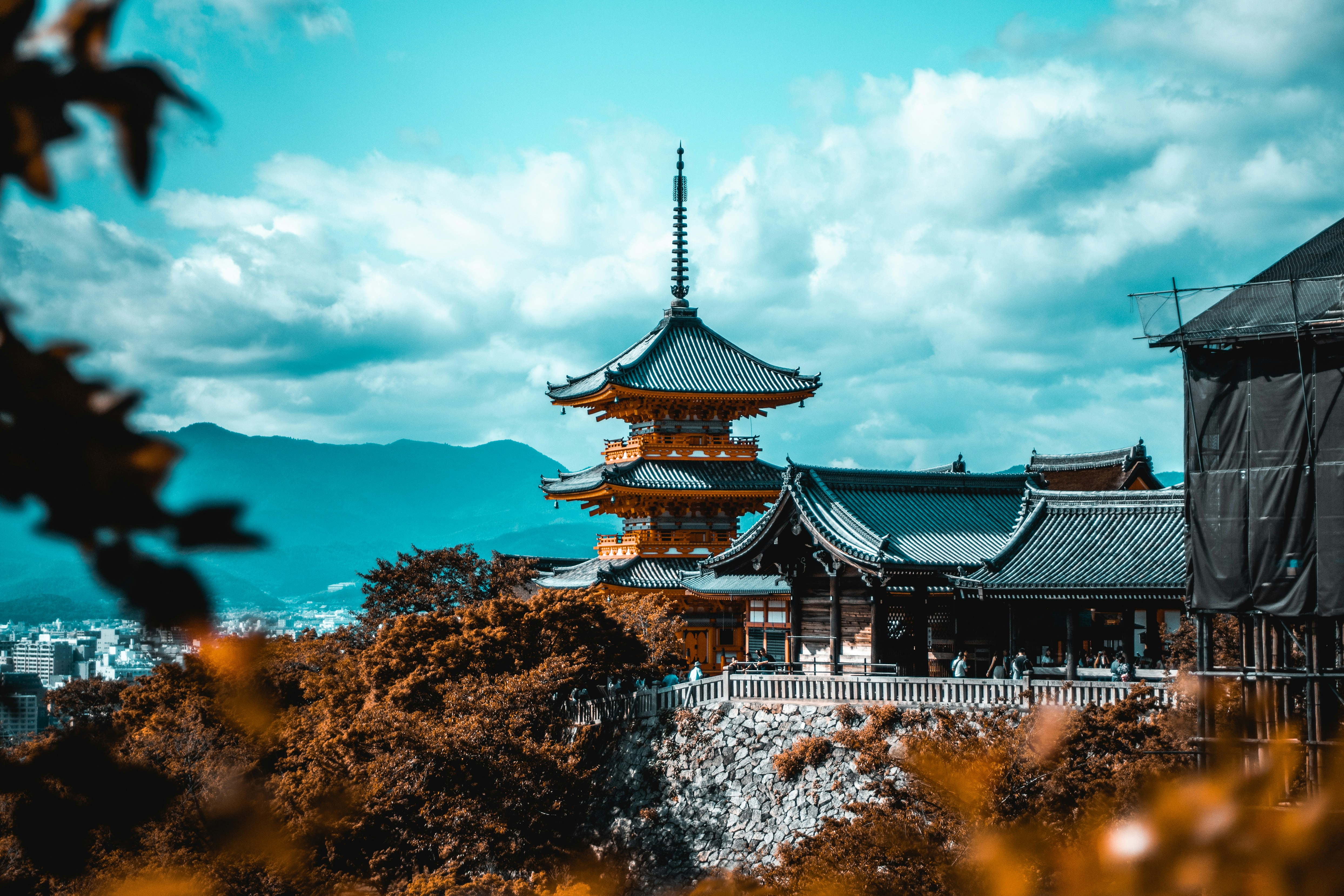
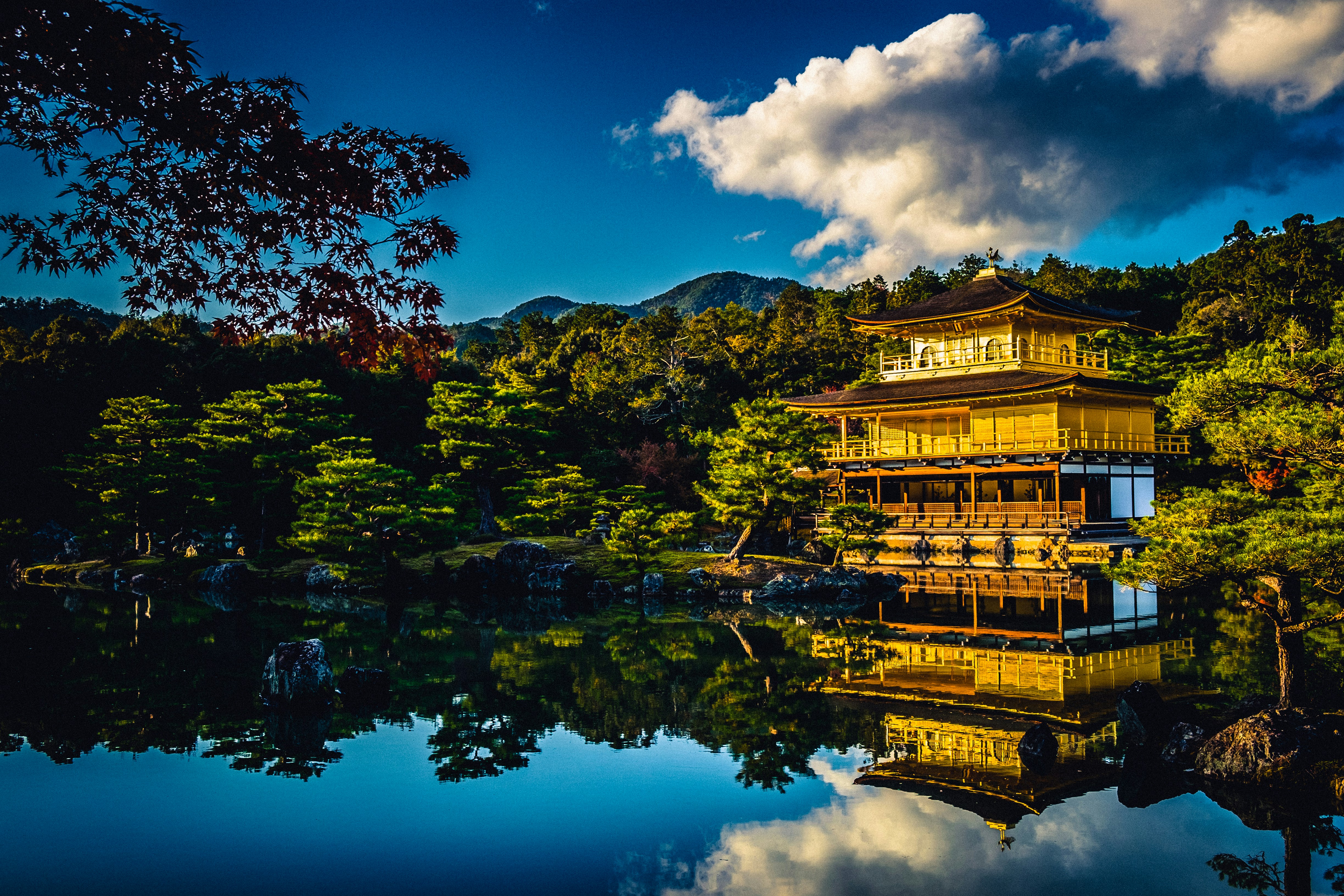
These include iconic landmarks like Kiyomizu Temple, Kinkaku-ji (Golden Pavilion), and Ryoan-ji (Rock Garden).
Peaceful Setting:
Kyoto lies in a peaceful valley, surrounded by mountains on three sides.
Its origins trace back to the 6th century, making it steeped in ancient history.
Cherished by the Japanese:
The phrase “sekai no Kyoto” (“the world’s Kyoto”) reflects the city’s global recognition.
All Japanese aspire to visit Kyoto at least once in their lives, preserving their cultural connection.
In summary, Kyoto is a city where you can admire stunning temples, stroll through charming streets, savor delicious food, and experience the grace of its people—a timeless gem that bridges the past and the present
Kyoto, also known as Heian-kyō, Miyako, and Saikyō, holds a special place in Japan’s cultural heritage. Let me share some fascinating facts about this enchanting city:
Historical Significance:
Kyoto was Japan’s capital for over 1,000 years (from 794 to 1868).
Its original name, Heian-kyō, translates to “Capital of Peace and Tranquillity.”
After the Meiji Restoration in 1868, when the imperial household moved to Tokyo, Kyoto became known as Saikyō (“Western Capital”).
Cultural Heartbeat:
Kyoto is the centre of traditional Japanese culture and Buddhism.
It’s a city where fine textiles, exquisite craftsmanship, and other Japanese products thrive.
The deep reverence for culture and heritage draws visitors—almost a third of Japan’s population visits Kyoto annually.
UNESCO World Heritage Sites:
Several historic temples and gardens in Kyoto were collectively designated as a UNESCO World Heritage site in 1994.
These include iconic landmarks like Kiyomizu Temple, Kinkaku-ji (Golden Pavilion), and Ryoan-ji (Rock Garden).
Peaceful Setting:
Kyoto lies in a peaceful valley, surrounded by mountains on three sides.
Its origins trace back to the 6th century, making it steeped in ancient history.
Cherished by the Japanese:
The phrase “sekai no Kyoto” (“the world’s Kyoto”) reflects the city’s global recognition.
All Japanese aspire to visit Kyoto at least once in their lives, preserving their cultural connection.
In summary, Kyoto is a city where you can admire stunning temples, stroll through charming streets, savor delicious food, and experience the grace of its people—a timeless gem that bridges the past and the present
Kyoto, also known as Heian-kyō, Miyako, and Saikyō, holds a special place in Japan’s cultural heritage. Let me share some fascinating facts about this enchanting city:
Historical Significance:
Kyoto was Japan’s capital for over 1,000 years (from 794 to 1868).
Its original name, Heian-kyō, translates to “Capital of Peace and Tranquillity.”
After the Meiji Restoration in 1868, when the imperial household moved to Tokyo, Kyoto became known as Saikyō (“Western Capital”).
Cultural Heartbeat:
Kyoto is the centre of traditional Japanese culture and Buddhism.
It’s a city where fine textiles, exquisite craftsmanship, and other Japanese products thrive.
The deep reverence for culture and heritage draws visitors—almost a third of Japan’s population visits Kyoto annually.
UNESCO World Heritage Sites:
Several historic temples and gardens in Kyoto were collectively designated as a UNESCO World Heritage site in 1994.
These include iconic landmarks like Kiyomizu Temple, Kinkaku-ji (Golden Pavilion), and Ryoan-ji (Rock Garden).
Peaceful Setting:
Kyoto lies in a peaceful valley, surrounded by mountains on three sides.
Its origins trace back to the 6th century, making it steeped in ancient history.
Cherished by the Japanese:
The phrase “sekai no Kyoto” (“the world’s Kyoto”) reflects the city’s global recognition.
All Japanese aspire to visit Kyoto at least once in their lives, preserving their cultural connection.
In summary, Kyoto is a city where you can admire stunning temples, stroll through charming streets, savor delicious food, and experience the grace of its people—a timeless gem that bridges the past and the present
Kyoto, also known as Heian-kyō, Miyako, and Saikyō, holds a special place in Japan’s cultural heritage. Let me share some fascinating facts about this enchanting city:
Historical Significance:
Kyoto was Japan’s capital for over 1,000 years (from 794 to 1868).
Its original name, Heian-kyō, translates to “Capital of Peace and Tranquillity.”
After the Meiji Restoration in 1868, when the imperial household moved to Tokyo, Kyoto became known as Saikyō (“Western Capital”).
Cultural Heartbeat:
Kyoto is the centre of traditional Japanese culture and Buddhism.
It’s a city where fine textiles, exquisite craftsmanship, and other Japanese products thrive.
The deep reverence for culture and heritage draws visitors—almost a third of Japan’s population visits Kyoto annually.
UNESCO World Heritage Sites:
Several historic temples and gardens in Kyoto were collectively designated as a UNESCO World Heritage site in 1994.
These include iconic landmarks like Kiyomizu Temple, Kinkaku-ji (Golden Pavilion), and Ryoan-ji (Rock Garden).
Peaceful Setting:
Kyoto lies in a peaceful valley, surrounded by mountains on three sides.
Its origins trace back to the 6th century, making it steeped in ancient history.
Cherished by the Japanese:
The phrase “sekai no Kyoto” (“the world’s Kyoto”) reflects the city’s global recognition.
All Japanese aspire to visit Kyoto at least once in their lives, preserving their cultural connection.
In summary, Kyoto is a city where you can admire stunning temples, stroll through charming streets, savor delicious food, and experience the grace of its people—a timeless gem that bridges the past and the present
Book Trip
Book Trip
Book Trip