Itsukushima
Itsukushima
Itsukushima
Itsukushima
Itsukushima (also known as Miyajima), a captivating island near Hiroshima, Japan:
Itsukushima Shrine:
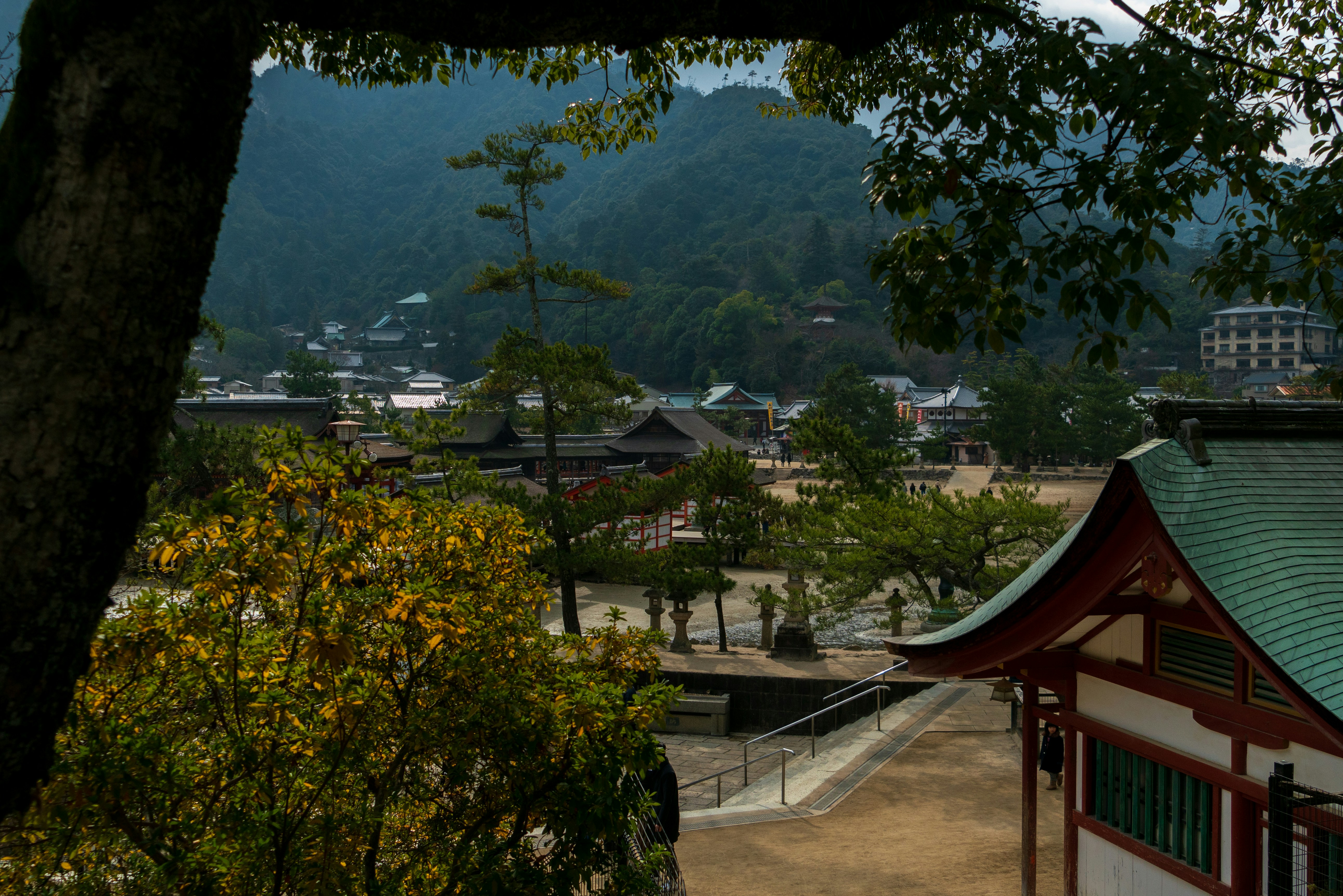
The centuries-old Itsukushima Shrine is the island’s star attraction. Formally named Itsukushima, the island is more popularly known as “Miyajima” due to this iconic shrine.
The shrine is famous for its floating torii gate, which appears to float on the water during high tide. It’s a unique sight, as both the shrine and the gate are built over the sea.
Visitors can explore the shrine’s prayer hall, main hall, and noh theater stage connected by boardwalks above the water.
History and Significance:
Itsukushima Island has been a holy site of Shinto since ancient times. Mount Misen, the island’s highest peak, was worshipped as early as the 6th century.
In 1168, Taira no Kiyomori, a powerful figure during the Heian Period, chose the island for his clan’s family shrine and built Itsukushima Shrine.
Best Times to Visit:
High tide is the most picturesque time to see the shrine and its gate. At high tide, they appear to float above the water.
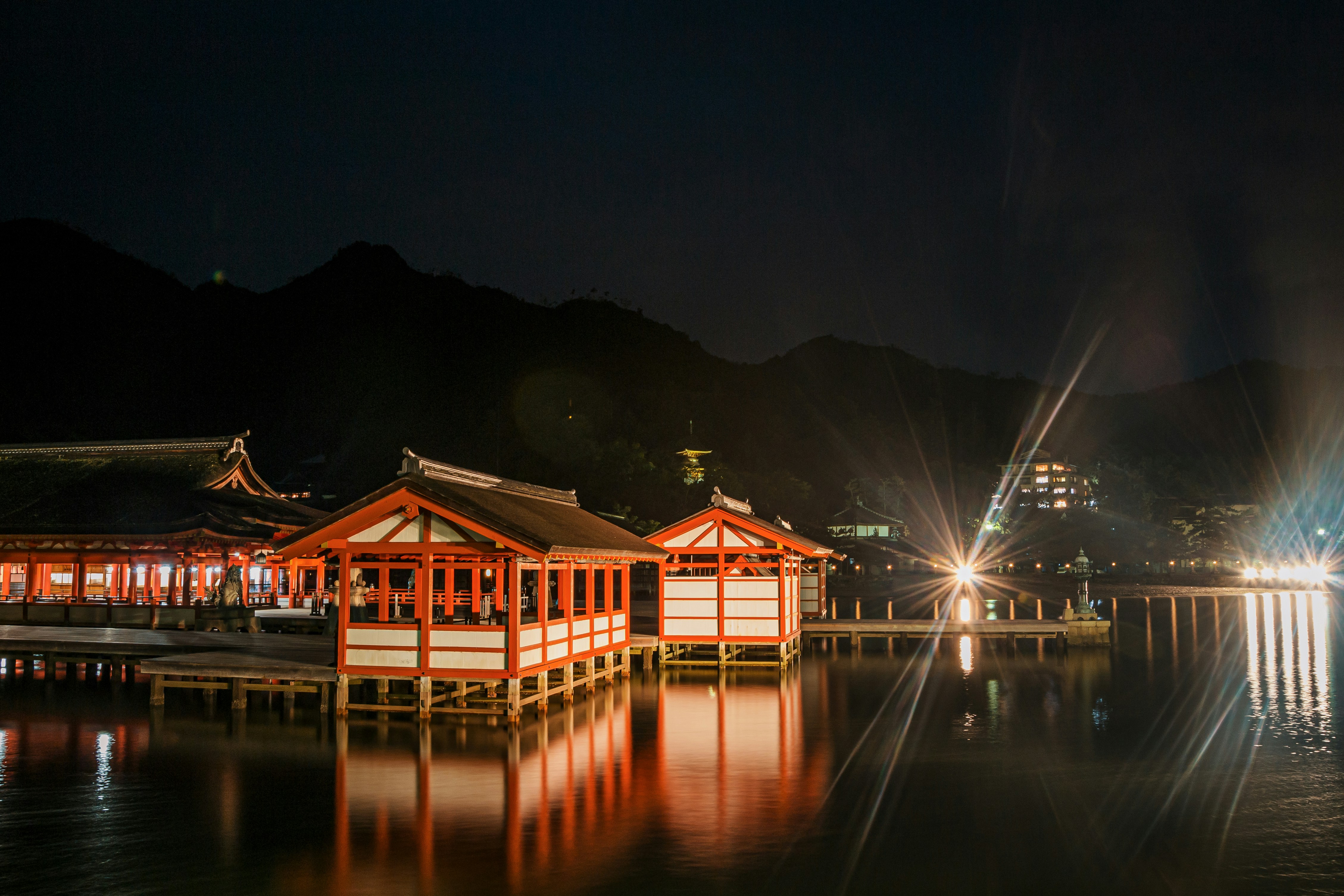
Sunset is also magical, as the shrine and torii gate are illuminated daily until 23:00. Ryokan guests can enjoy evening walks in traditional yukata and geta sandals.
Access:
From Hiroshima Station, take the JR Sanyo Line to Miyajimaguchi Station (about 30 minutes).
From Miyajimaguchi Passenger Terminal, take a 10-minute ferry ride to Miyajima, followed by a 10-minute walk to the shrine.
Boat Cruises:
Tourists can view the illuminated island from boat cruises. These 30-minute cruises take passengers around the bay and to the torii gate.
Reservations are required and can be made through ryokans or the tourist information desk.
Remember to check the tide timings during your visit to fully appreciate the floating torii gate. Whether you explore the shrine by land or sea, Itsukushima offers a blend of natural beauty and spiritual wonder
Itsukushima (also known as Miyajima), a captivating island near Hiroshima, Japan:
Itsukushima Shrine:
The centuries-old Itsukushima Shrine is the island’s star attraction. Formally named Itsukushima, the island is more popularly known as “Miyajima” due to this iconic shrine.
The shrine is famous for its floating torii gate, which appears to float on the water during high tide. It’s a unique sight, as both the shrine and the gate are built over the sea.
Visitors can explore the shrine’s prayer hall, main hall, and noh theater stage connected by boardwalks above the water.
History and Significance:
Itsukushima Island has been a holy site of Shinto since ancient times. Mount Misen, the island’s highest peak, was worshipped as early as the 6th century.
In 1168, Taira no Kiyomori, a powerful figure during the Heian Period, chose the island for his clan’s family shrine and built Itsukushima Shrine.
Best Times to Visit:
High tide is the most picturesque time to see the shrine and its gate. At high tide, they appear to float above the water.
Sunset is also magical, as the shrine and torii gate are illuminated daily until 23:00. Ryokan guests can enjoy evening walks in traditional yukata and geta sandals.
Access:
From Hiroshima Station, take the JR Sanyo Line to Miyajimaguchi Station (about 30 minutes).
From Miyajimaguchi Passenger Terminal, take a 10-minute ferry ride to Miyajima, followed by a 10-minute walk to the shrine.
Boat Cruises:
Tourists can view the illuminated island from boat cruises. These 30-minute cruises take passengers around the bay and to the torii gate.
Reservations are required and can be made through ryokans or the tourist information desk.
Remember to check the tide timings during your visit to fully appreciate the floating torii gate. Whether you explore the shrine by land or sea, Itsukushima offers a blend of natural beauty and spiritual wonder
Itsukushima (also known as Miyajima), a captivating island near Hiroshima, Japan:
Itsukushima Shrine:
The centuries-old Itsukushima Shrine is the island’s star attraction. Formally named Itsukushima, the island is more popularly known as “Miyajima” due to this iconic shrine.
The shrine is famous for its floating torii gate, which appears to float on the water during high tide. It’s a unique sight, as both the shrine and the gate are built over the sea.
Visitors can explore the shrine’s prayer hall, main hall, and noh theater stage connected by boardwalks above the water.
History and Significance:
Itsukushima Island has been a holy site of Shinto since ancient times. Mount Misen, the island’s highest peak, was worshipped as early as the 6th century.
In 1168, Taira no Kiyomori, a powerful figure during the Heian Period, chose the island for his clan’s family shrine and built Itsukushima Shrine.
Best Times to Visit:
High tide is the most picturesque time to see the shrine and its gate. At high tide, they appear to float above the water.
Sunset is also magical, as the shrine and torii gate are illuminated daily until 23:00. Ryokan guests can enjoy evening walks in traditional yukata and geta sandals.
Access:
From Hiroshima Station, take the JR Sanyo Line to Miyajimaguchi Station (about 30 minutes).
From Miyajimaguchi Passenger Terminal, take a 10-minute ferry ride to Miyajima, followed by a 10-minute walk to the shrine.
Boat Cruises:
Tourists can view the illuminated island from boat cruises. These 30-minute cruises take passengers around the bay and to the torii gate.
Reservations are required and can be made through ryokans or the tourist information desk.
Remember to check the tide timings during your visit to fully appreciate the floating torii gate. Whether you explore the shrine by land or sea, Itsukushima offers a blend of natural beauty and spiritual wonder
Itsukushima (also known as Miyajima), a captivating island near Hiroshima, Japan:
Itsukushima Shrine:
The centuries-old Itsukushima Shrine is the island’s star attraction. Formally named Itsukushima, the island is more popularly known as “Miyajima” due to this iconic shrine.
The shrine is famous for its floating torii gate, which appears to float on the water during high tide. It’s a unique sight, as both the shrine and the gate are built over the sea.
Visitors can explore the shrine’s prayer hall, main hall, and noh theater stage connected by boardwalks above the water.
History and Significance:
Itsukushima Island has been a holy site of Shinto since ancient times. Mount Misen, the island’s highest peak, was worshipped as early as the 6th century.
In 1168, Taira no Kiyomori, a powerful figure during the Heian Period, chose the island for his clan’s family shrine and built Itsukushima Shrine.
Best Times to Visit:
High tide is the most picturesque time to see the shrine and its gate. At high tide, they appear to float above the water.
Sunset is also magical, as the shrine and torii gate are illuminated daily until 23:00. Ryokan guests can enjoy evening walks in traditional yukata and geta sandals.
Access:
From Hiroshima Station, take the JR Sanyo Line to Miyajimaguchi Station (about 30 minutes).
From Miyajimaguchi Passenger Terminal, take a 10-minute ferry ride to Miyajima, followed by a 10-minute walk to the shrine.
Boat Cruises:
Tourists can view the illuminated island from boat cruises. These 30-minute cruises take passengers around the bay and to the torii gate.
Reservations are required and can be made through ryokans or the tourist information desk.
Remember to check the tide timings during your visit to fully appreciate the floating torii gate. Whether you explore the shrine by land or sea, Itsukushima offers a blend of natural beauty and spiritual wonder
Book Trip
Book Trip
Book Trip