Ryoan-Ji
Ryoan-Ji
Ryoan-Ji
Ryoan-Ji
Ryoan-ji (龍安寺) is a Zen Buddhist temple located in northwest Kyoto, Japan. It is renowned for its rock garden, which is considered one of Japan’s most famous and enigmatic gardens. Here are some key details about Ryoan-ji:
Origins and History:
Originally an aristocrat’s villa during the Heian Period, Ryoan-ji was converted into a Zen temple in 1450.
It belongs to the Myoshinji school of the Rinzai sect of Zen Buddhism.
The Rock Garden:
The garden consists of a rectangular plot of pebbles surrounded by low earthen walls.
Fifteen rocks are laid out in small groups on patches of moss.
An interesting feature is that from any vantage point, at least one rock is always hidden from view.
The garden’s meaning remains unclear, with various speculations about its design and symbolism.
Hojo and Kuri Buildings:
The garden is viewed from the Hojo, the head priest’s former residence.
The Hojo features paintings on sliding doors (fusuma) and smaller gardens.
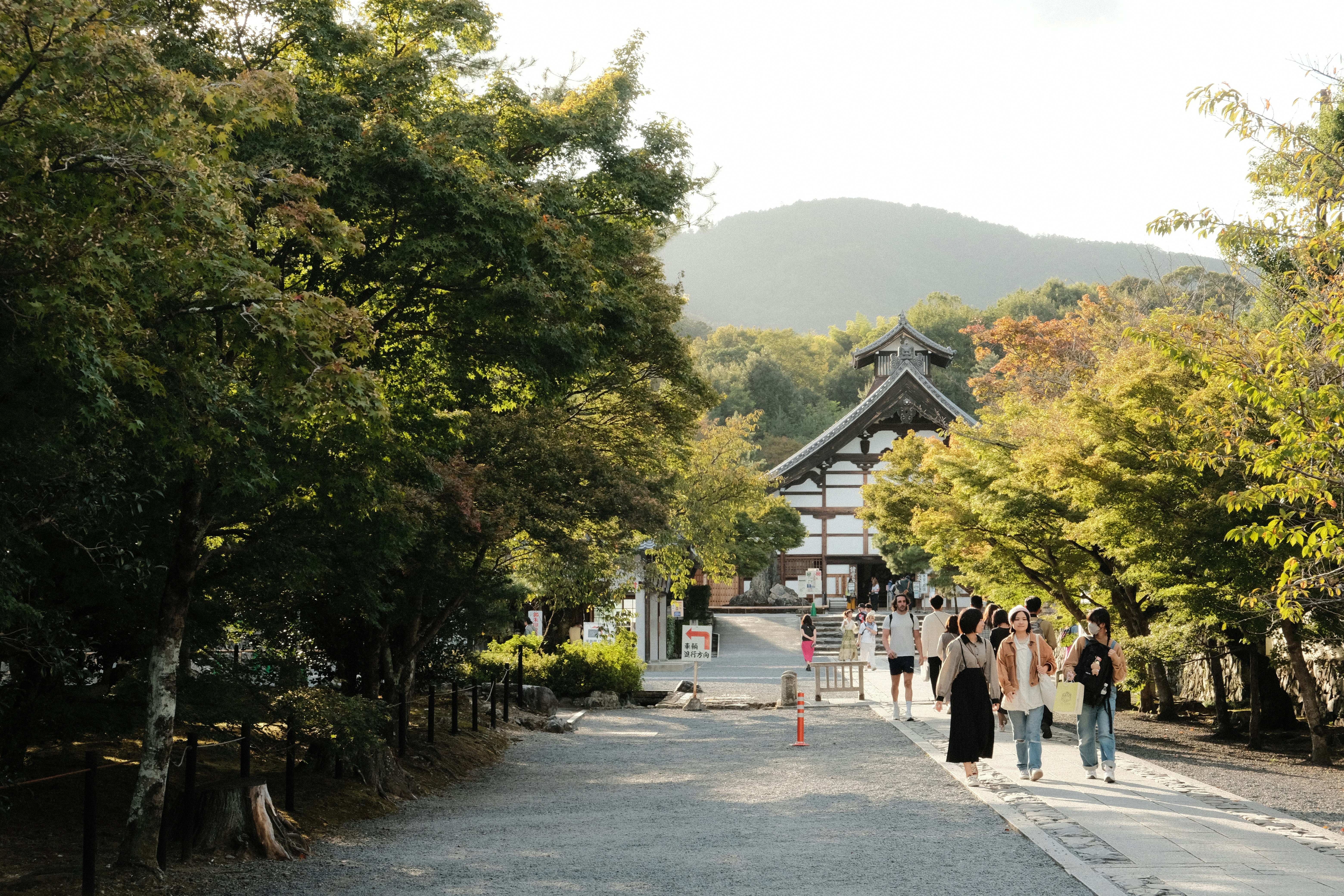
The Kuri building (former temple kitchen) serves as the temple’s main entrance.
Temple Grounds and Park:
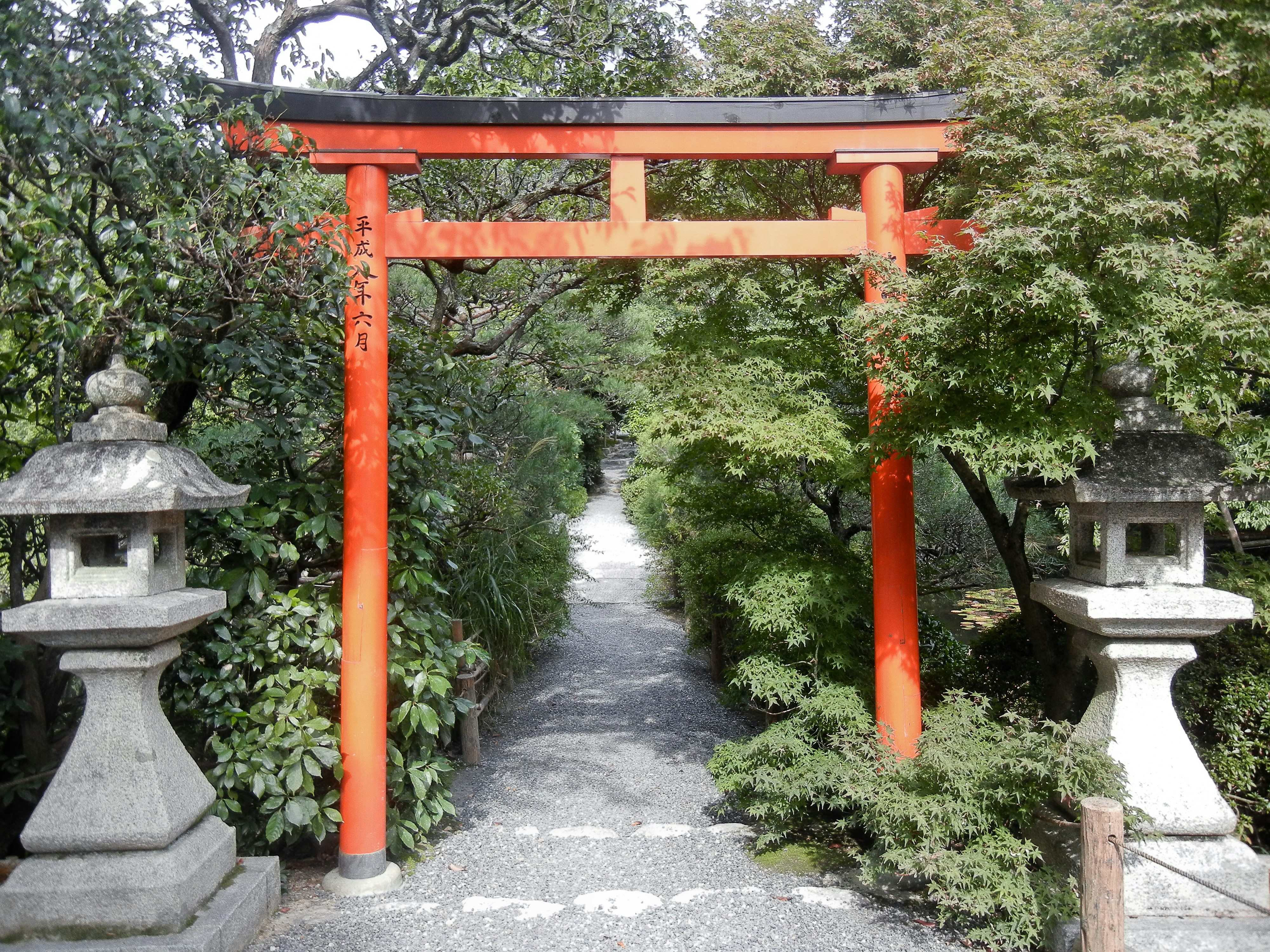
Ryoan-ji’s grounds include a spacious park area with a pond.
The pond features a small shrine on one of its three little islands.
Visitors can enjoy walking trails and a restaurant specializing in Kyoto’s Yudofu (boiled tofu).
Access:
Ryoan-ji can be reached directly from Kyoto Station by JR bus.
A visit in the early morning is recommended for a quieter experience.
Ryoan-ji’s contemplative rock garden invites visitors to find their own meaning within its simplicity and harmony
Ryoan-ji (龍安寺) is a Zen Buddhist temple located in northwest Kyoto, Japan. It is renowned for its rock garden, which is considered one of Japan’s most famous and enigmatic gardens. Here are some key details about Ryoan-ji:
Origins and History:
Originally an aristocrat’s villa during the Heian Period, Ryoan-ji was converted into a Zen temple in 1450.
It belongs to the Myoshinji school of the Rinzai sect of Zen Buddhism.
The Rock Garden:
The garden consists of a rectangular plot of pebbles surrounded by low earthen walls.
Fifteen rocks are laid out in small groups on patches of moss.
An interesting feature is that from any vantage point, at least one rock is always hidden from view.
The garden’s meaning remains unclear, with various speculations about its design and symbolism.
Hojo and Kuri Buildings:
The garden is viewed from the Hojo, the head priest’s former residence.
The Hojo features paintings on sliding doors (fusuma) and smaller gardens.
The Kuri building (former temple kitchen) serves as the temple’s main entrance.
Temple Grounds and Park:
Ryoan-ji’s grounds include a spacious park area with a pond.
The pond features a small shrine on one of its three little islands.
Visitors can enjoy walking trails and a restaurant specializing in Kyoto’s Yudofu (boiled tofu).
Access:
Ryoan-ji can be reached directly from Kyoto Station by JR bus.
A visit in the early morning is recommended for a quieter experience.
Ryoan-ji’s contemplative rock garden invites visitors to find their own meaning within its simplicity and harmony
Ryoan-ji (龍安寺) is a Zen Buddhist temple located in northwest Kyoto, Japan. It is renowned for its rock garden, which is considered one of Japan’s most famous and enigmatic gardens. Here are some key details about Ryoan-ji:
Origins and History:
Originally an aristocrat’s villa during the Heian Period, Ryoan-ji was converted into a Zen temple in 1450.
It belongs to the Myoshinji school of the Rinzai sect of Zen Buddhism.
The Rock Garden:
The garden consists of a rectangular plot of pebbles surrounded by low earthen walls.
Fifteen rocks are laid out in small groups on patches of moss.
An interesting feature is that from any vantage point, at least one rock is always hidden from view.
The garden’s meaning remains unclear, with various speculations about its design and symbolism.
Hojo and Kuri Buildings:
The garden is viewed from the Hojo, the head priest’s former residence.
The Hojo features paintings on sliding doors (fusuma) and smaller gardens.
The Kuri building (former temple kitchen) serves as the temple’s main entrance.
Temple Grounds and Park:
Ryoan-ji’s grounds include a spacious park area with a pond.
The pond features a small shrine on one of its three little islands.
Visitors can enjoy walking trails and a restaurant specializing in Kyoto’s Yudofu (boiled tofu).
Access:
Ryoan-ji can be reached directly from Kyoto Station by JR bus.
A visit in the early morning is recommended for a quieter experience.
Ryoan-ji’s contemplative rock garden invites visitors to find their own meaning within its simplicity and harmony
Ryoan-ji (龍安寺) is a Zen Buddhist temple located in northwest Kyoto, Japan. It is renowned for its rock garden, which is considered one of Japan’s most famous and enigmatic gardens. Here are some key details about Ryoan-ji:
Origins and History:
Originally an aristocrat’s villa during the Heian Period, Ryoan-ji was converted into a Zen temple in 1450.
It belongs to the Myoshinji school of the Rinzai sect of Zen Buddhism.
The Rock Garden:
The garden consists of a rectangular plot of pebbles surrounded by low earthen walls.
Fifteen rocks are laid out in small groups on patches of moss.
An interesting feature is that from any vantage point, at least one rock is always hidden from view.
The garden’s meaning remains unclear, with various speculations about its design and symbolism.
Hojo and Kuri Buildings:
The garden is viewed from the Hojo, the head priest’s former residence.
The Hojo features paintings on sliding doors (fusuma) and smaller gardens.
The Kuri building (former temple kitchen) serves as the temple’s main entrance.
Temple Grounds and Park:
Ryoan-ji’s grounds include a spacious park area with a pond.
The pond features a small shrine on one of its three little islands.
Visitors can enjoy walking trails and a restaurant specializing in Kyoto’s Yudofu (boiled tofu).
Access:
Ryoan-ji can be reached directly from Kyoto Station by JR bus.
A visit in the early morning is recommended for a quieter experience.
Ryoan-ji’s contemplative rock garden invites visitors to find their own meaning within its simplicity and harmony
Book Trip
Book Trip
Book Trip