Kamakura
Kamakura
Kamakura
Kamakura
Kamakura (鎌倉) is a coastal town in Kanagawa Prefecture, less than an hour south of Tokyo. It holds significant historical importance and offers a blend of cultural treasures, temples, and natural beauty. Here are some highlights:
Ancient Capital:
Kamakura served as Japan’s political center during the late 12th century when Minamoto Yoritomo established the Kamakura shogunate.
The Kamakura government ruled Japan for over a century.
Historical Monuments:
Sometimes called the “Kyoto of eastern Japan,” Kamakura boasts numerous temples, shrines, and other historical sites.
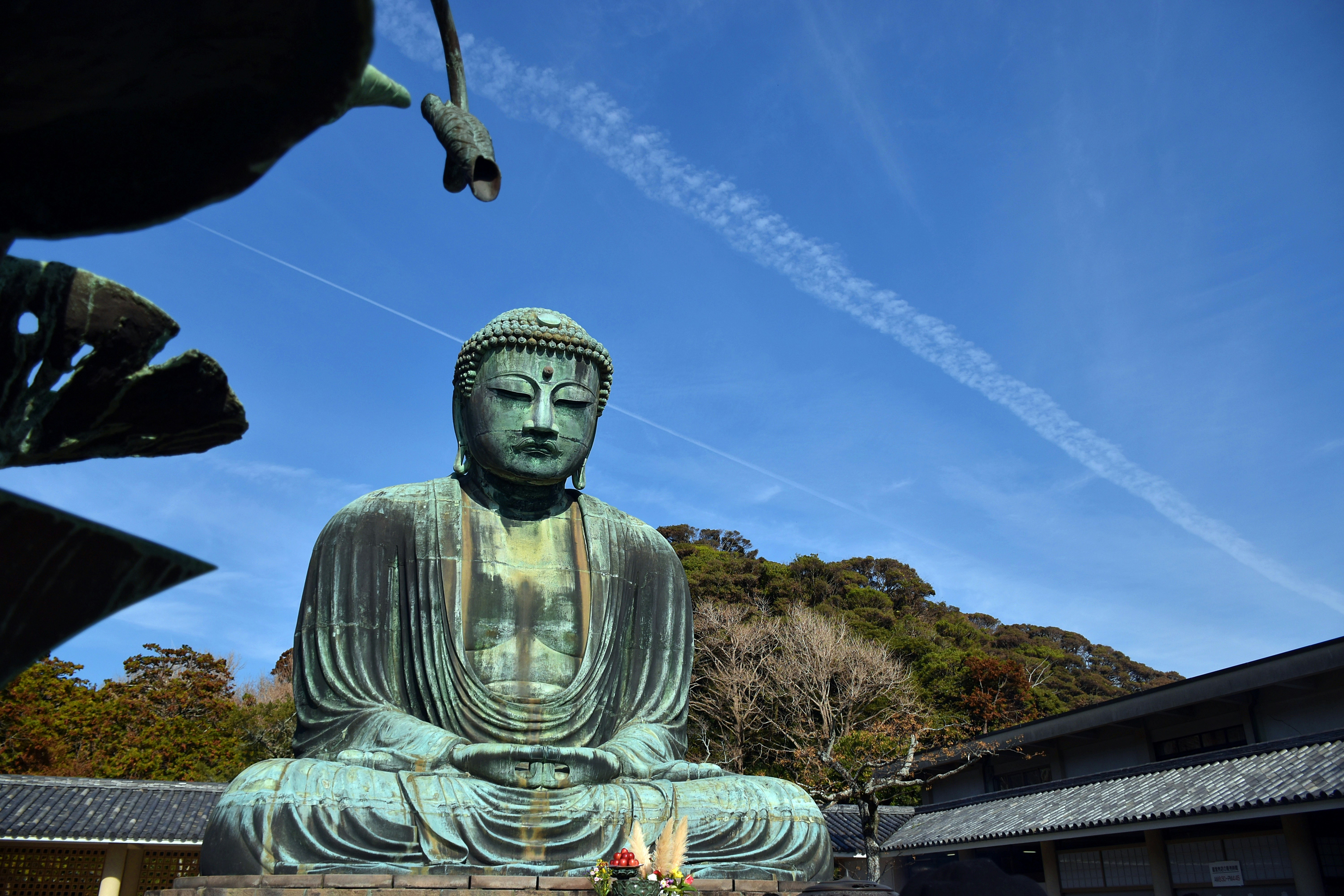
Great Buddha (Daibutsu): A large bronze Buddha statue.
Hasedera Temple: An attractive temple with views over Kamakura.
Hokokuji Temple: Known for its small bamboo grove.
Enoshima: A pleasantly touristy island near Kamakura.
Hiking Trails: Explore Kamakura’s wooded hills.
Hachimangu Shrine: Kamakura’s most important Shinto shrine.
Engakuji Temple: The second most important Zen temple.
Kenchoji Temple: Kamakura’s most important Zen temple.
Zeniarai Benten: A shrine where visitors wash their money.
Meigetsuin Temple: Also known as the Hydrangea Temple.
Beaches:
Kamakura’s sand beaches attract large crowds during the summer.
Whether you’re interested in history, spirituality, or natural beauty, Kamakura offers a delightful experience for travelers
Kamakura (鎌倉) is a coastal town in Kanagawa Prefecture, less than an hour south of Tokyo. It holds significant historical importance and offers a blend of cultural treasures, temples, and natural beauty. Here are some highlights:
Ancient Capital:
Kamakura served as Japan’s political center during the late 12th century when Minamoto Yoritomo established the Kamakura shogunate.
The Kamakura government ruled Japan for over a century.
Historical Monuments:
Sometimes called the “Kyoto of eastern Japan,” Kamakura boasts numerous temples, shrines, and other historical sites.
Great Buddha (Daibutsu): A large bronze Buddha statue.
Hasedera Temple: An attractive temple with views over Kamakura.
Hokokuji Temple: Known for its small bamboo grove.
Enoshima: A pleasantly touristy island near Kamakura.
Hiking Trails: Explore Kamakura’s wooded hills.
Hachimangu Shrine: Kamakura’s most important Shinto shrine.
Engakuji Temple: The second most important Zen temple.
Kenchoji Temple: Kamakura’s most important Zen temple.
Zeniarai Benten: A shrine where visitors wash their money.
Meigetsuin Temple: Also known as the Hydrangea Temple.
Beaches:
Kamakura’s sand beaches attract large crowds during the summer.
Whether you’re interested in history, spirituality, or natural beauty, Kamakura offers a delightful experience for travelers
Kamakura (鎌倉) is a coastal town in Kanagawa Prefecture, less than an hour south of Tokyo. It holds significant historical importance and offers a blend of cultural treasures, temples, and natural beauty. Here are some highlights:
Ancient Capital:
Kamakura served as Japan’s political center during the late 12th century when Minamoto Yoritomo established the Kamakura shogunate.
The Kamakura government ruled Japan for over a century.
Historical Monuments:
Sometimes called the “Kyoto of eastern Japan,” Kamakura boasts numerous temples, shrines, and other historical sites.
Great Buddha (Daibutsu): A large bronze Buddha statue.
Hasedera Temple: An attractive temple with views over Kamakura.
Hokokuji Temple: Known for its small bamboo grove.
Enoshima: A pleasantly touristy island near Kamakura.
Hiking Trails: Explore Kamakura’s wooded hills.
Hachimangu Shrine: Kamakura’s most important Shinto shrine.
Engakuji Temple: The second most important Zen temple.
Kenchoji Temple: Kamakura’s most important Zen temple.
Zeniarai Benten: A shrine where visitors wash their money.
Meigetsuin Temple: Also known as the Hydrangea Temple.
Beaches:
Kamakura’s sand beaches attract large crowds during the summer.
Whether you’re interested in history, spirituality, or natural beauty, Kamakura offers a delightful experience for travelers
Kamakura (鎌倉) is a coastal town in Kanagawa Prefecture, less than an hour south of Tokyo. It holds significant historical importance and offers a blend of cultural treasures, temples, and natural beauty. Here are some highlights:
Ancient Capital:
Kamakura served as Japan’s political center during the late 12th century when Minamoto Yoritomo established the Kamakura shogunate.
The Kamakura government ruled Japan for over a century.
Historical Monuments:
Sometimes called the “Kyoto of eastern Japan,” Kamakura boasts numerous temples, shrines, and other historical sites.
Great Buddha (Daibutsu): A large bronze Buddha statue.
Hasedera Temple: An attractive temple with views over Kamakura.
Hokokuji Temple: Known for its small bamboo grove.
Enoshima: A pleasantly touristy island near Kamakura.
Hiking Trails: Explore Kamakura’s wooded hills.
Hachimangu Shrine: Kamakura’s most important Shinto shrine.
Engakuji Temple: The second most important Zen temple.
Kenchoji Temple: Kamakura’s most important Zen temple.
Zeniarai Benten: A shrine where visitors wash their money.
Meigetsuin Temple: Also known as the Hydrangea Temple.
Beaches:
Kamakura’s sand beaches attract large crowds during the summer.
Whether you’re interested in history, spirituality, or natural beauty, Kamakura offers a delightful experience for travelers
Book Trip
Book Trip
Book Trip