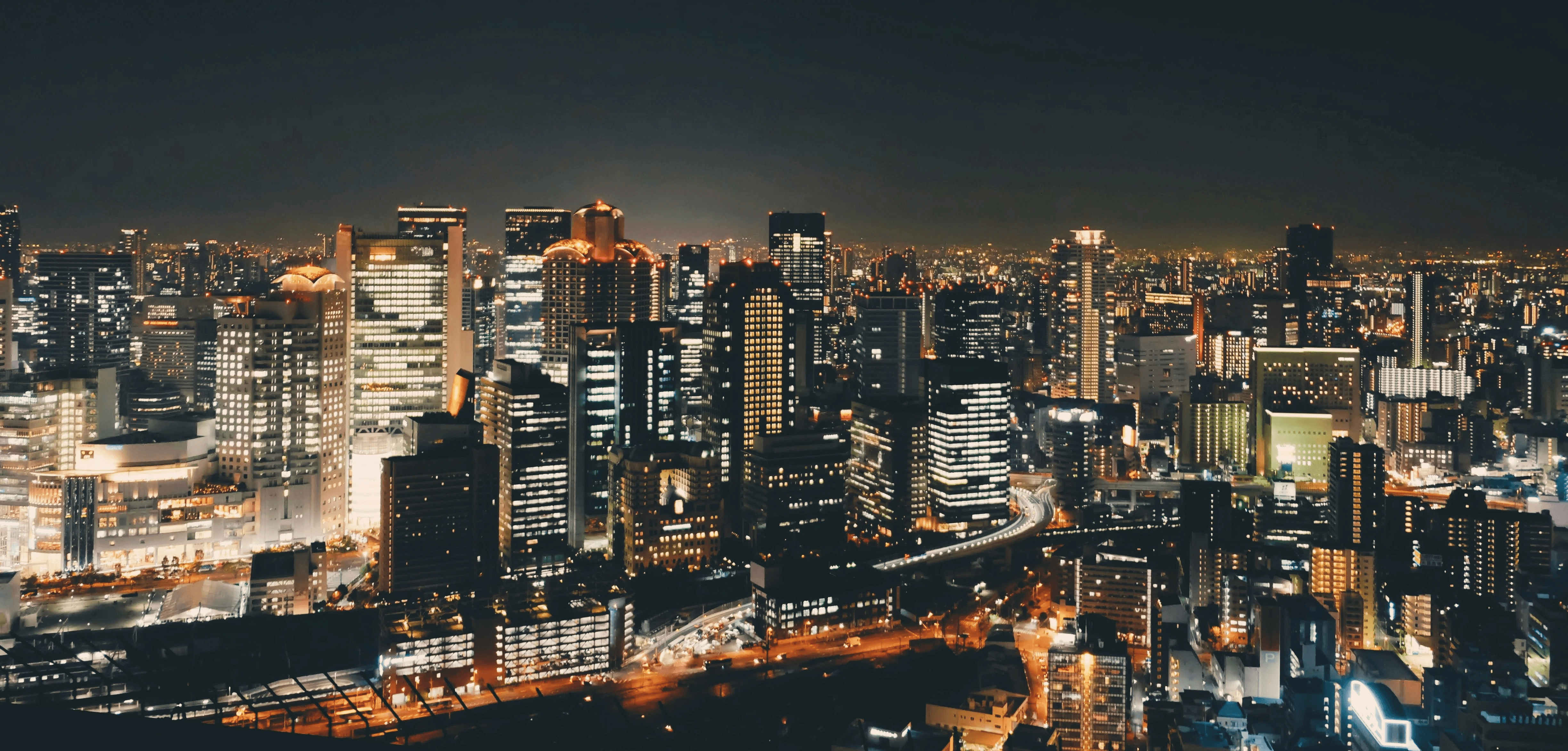
Osaka
Osaka
Osaka
Osaka
Historical Significance:
Osaka (大阪, Ōsaka) is Japan’s second-largest metropolitan area after Tokyo.
It has been the economic powerhouse of the Kansai Region for many centuries.
Interestingly, Osaka was formerly known as Naniwa. Before the Nara Period, when the capital used to be moved with the reign of each new emperor, Naniwa was once Japan’s capital city—the first one ever known.
Culinary Delights:
Osaka is often referred to as the “Nation’s Kitchen” due to its rich culinary scene.
Renowned for its delicious street food, diverse restaurants, and bustling food markets, Osaka is a paradise for foodies.
Iconic Landmarks:
Osaka Castle: This historic castle, constructed in the 16th century, stands as a symbol of Osaka’s feudal past. Visitors can enjoy stunning views of the city from its observation deck.
Universal Studios Japan: Located in Osaka, this popular theme park attracts millions of visitors each year with thrilling rides, live shows, and attractions based on famous movies.
Lively Nightlife:
Osaka is known for its vibrant nightlife. The city comes alive with bars, clubs, and entertainment districts like Dotonbori, where locals and tourists gather to enjoy lively experiences after dark.
Rich Cultural Heritage:
The city is home to numerous historic temples, shrines, and traditional theaters, showcasing Japan’s traditional arts and culture.
Don’t miss the annual Tenjin Matsuri festival—one of Japan’s most renowned festivals—featuring vibrant processions, traditional performances, and fireworks.
In summary, Osaka is a cosmopolitan city that seamlessly blends tradition with modernity. Its dynamic food scene, outgoing people, and cultural heritage make it a must-visit destination for travelers
Historical Significance:
Osaka (大阪, Ōsaka) is Japan’s second-largest metropolitan area after Tokyo.
It has been the economic powerhouse of the Kansai Region for many centuries.
Interestingly, Osaka was formerly known as Naniwa. Before the Nara Period, when the capital used to be moved with the reign of each new emperor, Naniwa was once Japan’s capital city—the first one ever known.
Culinary Delights:
Osaka is often referred to as the “Nation’s Kitchen” due to its rich culinary scene.
Renowned for its delicious street food, diverse restaurants, and bustling food markets, Osaka is a paradise for foodies.
Iconic Landmarks:
Osaka Castle: This historic castle, constructed in the 16th century, stands as a symbol of Osaka’s feudal past. Visitors can enjoy stunning views of the city from its observation deck.
Universal Studios Japan: Located in Osaka, this popular theme park attracts millions of visitors each year with thrilling rides, live shows, and attractions based on famous movies.
Lively Nightlife:
Osaka is known for its vibrant nightlife. The city comes alive with bars, clubs, and entertainment districts like Dotonbori, where locals and tourists gather to enjoy lively experiences after dark.
Rich Cultural Heritage:
The city is home to numerous historic temples, shrines, and traditional theaters, showcasing Japan’s traditional arts and culture.
Don’t miss the annual Tenjin Matsuri festival—one of Japan’s most renowned festivals—featuring vibrant processions, traditional performances, and fireworks.
In summary, Osaka is a cosmopolitan city that seamlessly blends tradition with modernity. Its dynamic food scene, outgoing people, and cultural heritage make it a must-visit destination for travelers
Historical Significance:
Osaka (大阪, Ōsaka) is Japan’s second-largest metropolitan area after Tokyo.
It has been the economic powerhouse of the Kansai Region for many centuries.
Interestingly, Osaka was formerly known as Naniwa. Before the Nara Period, when the capital used to be moved with the reign of each new emperor, Naniwa was once Japan’s capital city—the first one ever known.
Culinary Delights:
Osaka is often referred to as the “Nation’s Kitchen” due to its rich culinary scene.
Renowned for its delicious street food, diverse restaurants, and bustling food markets, Osaka is a paradise for foodies.
Iconic Landmarks:
Osaka Castle: This historic castle, constructed in the 16th century, stands as a symbol of Osaka’s feudal past. Visitors can enjoy stunning views of the city from its observation deck.
Universal Studios Japan: Located in Osaka, this popular theme park attracts millions of visitors each year with thrilling rides, live shows, and attractions based on famous movies.
Lively Nightlife:
Osaka is known for its vibrant nightlife. The city comes alive with bars, clubs, and entertainment districts like Dotonbori, where locals and tourists gather to enjoy lively experiences after dark.
Rich Cultural Heritage:
The city is home to numerous historic temples, shrines, and traditional theaters, showcasing Japan’s traditional arts and culture.
Don’t miss the annual Tenjin Matsuri festival—one of Japan’s most renowned festivals—featuring vibrant processions, traditional performances, and fireworks.
In summary, Osaka is a cosmopolitan city that seamlessly blends tradition with modernity. Its dynamic food scene, outgoing people, and cultural heritage make it a must-visit destination for travelers
Historical Significance:
Osaka (大阪, Ōsaka) is Japan’s second-largest metropolitan area after Tokyo.
It has been the economic powerhouse of the Kansai Region for many centuries.
Interestingly, Osaka was formerly known as Naniwa. Before the Nara Period, when the capital used to be moved with the reign of each new emperor, Naniwa was once Japan’s capital city—the first one ever known.
Culinary Delights:
Osaka is often referred to as the “Nation’s Kitchen” due to its rich culinary scene.
Renowned for its delicious street food, diverse restaurants, and bustling food markets, Osaka is a paradise for foodies.
Iconic Landmarks:
Osaka Castle: This historic castle, constructed in the 16th century, stands as a symbol of Osaka’s feudal past. Visitors can enjoy stunning views of the city from its observation deck.
Universal Studios Japan: Located in Osaka, this popular theme park attracts millions of visitors each year with thrilling rides, live shows, and attractions based on famous movies.
Lively Nightlife:
Osaka is known for its vibrant nightlife. The city comes alive with bars, clubs, and entertainment districts like Dotonbori, where locals and tourists gather to enjoy lively experiences after dark.
Rich Cultural Heritage:
The city is home to numerous historic temples, shrines, and traditional theaters, showcasing Japan’s traditional arts and culture.
Don’t miss the annual Tenjin Matsuri festival—one of Japan’s most renowned festivals—featuring vibrant processions, traditional performances, and fireworks.
In summary, Osaka is a cosmopolitan city that seamlessly blends tradition with modernity. Its dynamic food scene, outgoing people, and cultural heritage make it a must-visit destination for travelers
Book Trip
Book Trip
Book Trip