Senso-Ji
Senso-Ji
Senso-Ji
Senso-Ji
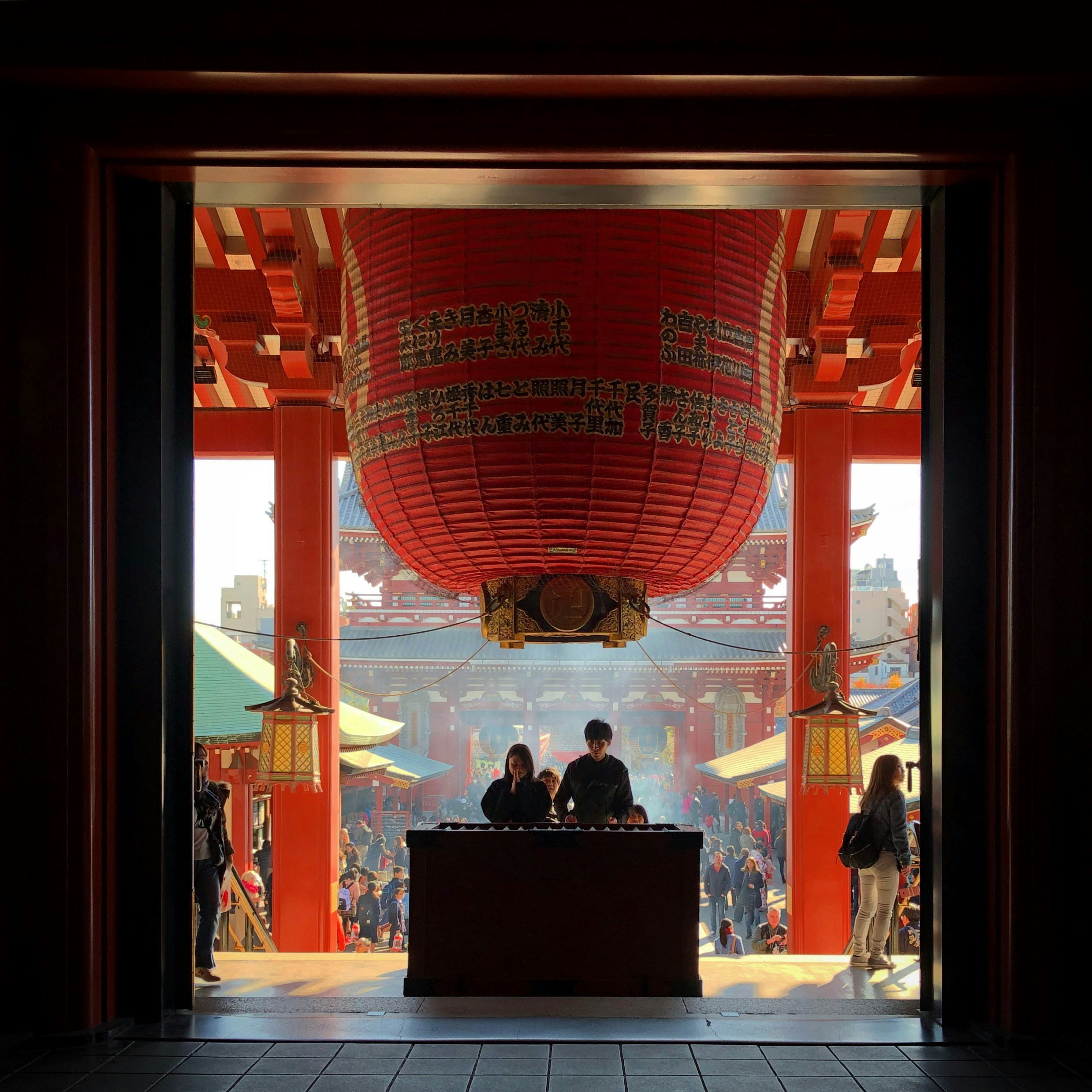
Senso-ji, officially known as Kinryū-zan Sensō-ji (金龍山浅草寺), is an ancient Buddhist temple located in Asakusa, Tokyo, Japan.
It holds significant historical and cultural importance. Here are some key details about this iconic temple:
Legend and Origin:
According to legend, in the year 628 AD, two brothers fishing in the Sumida River discovered a statue of Kannon, the goddess of mercy.
Recognizing its sanctity, the chief of their village enshrined it in a small temple in Asakusa, which eventually became Sensō-ji.
Tokyo’s Oldest-Established Temple:
Founded in 645 AD, Sensō-ji is Tokyo’s oldest-established temple.
It was designated as the tutelary temple of the Tokugawa clan during the early years of the Tokugawa shogunate.
Symbol of Rebirth and Peace:
During World War II, the temple was destroyed in a firebombing air raid on Tokyo.
The main hall was rebuilt in the 1950s and has become a symbol of rebirth and peace for the Japanese people.
Golden Pavilion and Gates:
The temple complex includes the main hall, a five-story pagoda, and large gates.
The Kaminarimon gate and the Hōzōmon gate are notable structures leading to the temple.
Nakamise-dōri Street:
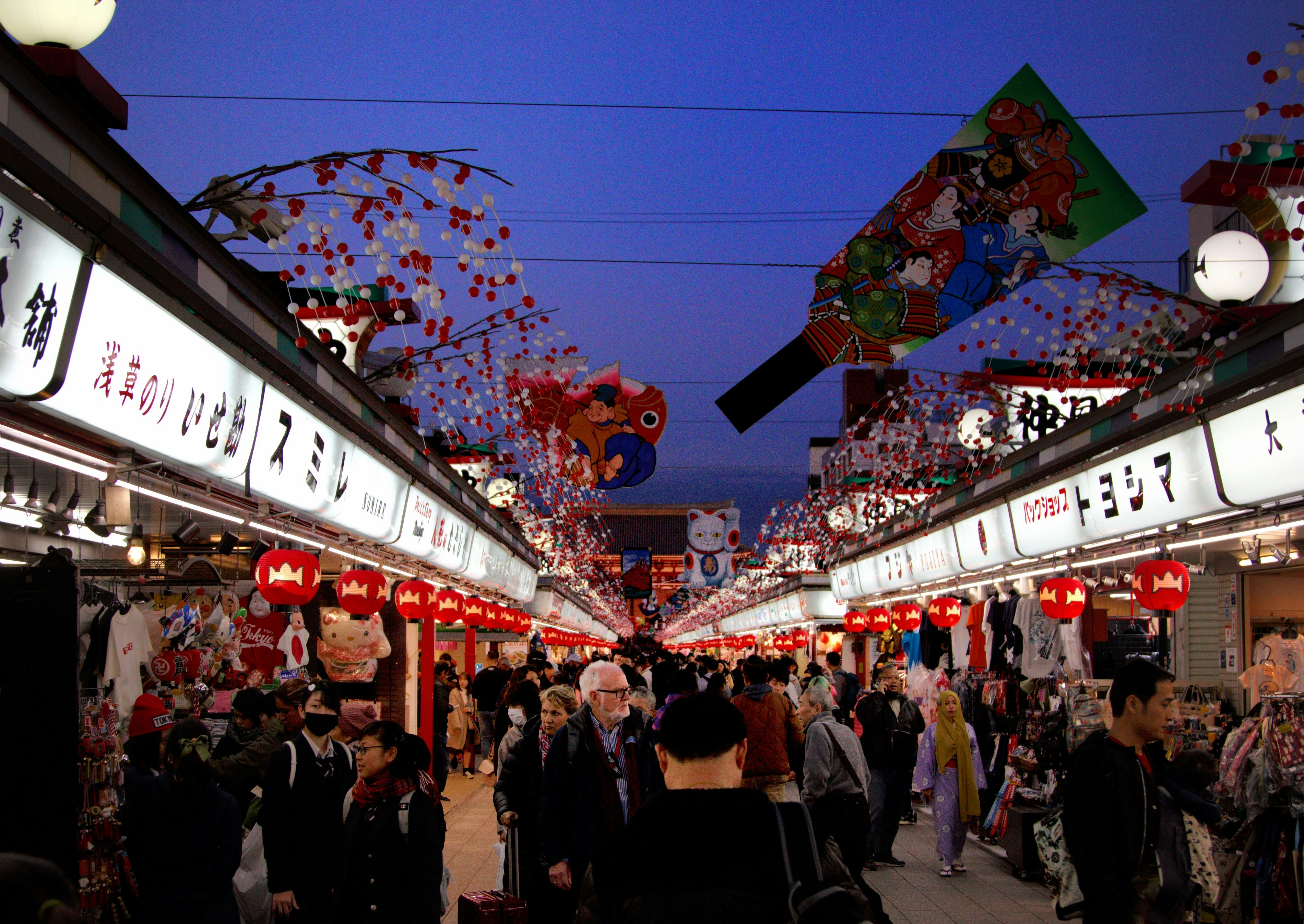
Leading to Sensō-ji is Nakamise-dōri street, lined with shops selling traditional goods.
Adjacent to the east of Sensō-ji is the Asakusa Shrine, associated with the Shinto religion.
Sensō-ji remains a vibrant cultural center, attracting millions of visitors annually. Its rich history and spiritual significance make it a must-visit destination in Tokyo
Senso-ji, officially known as Kinryū-zan Sensō-ji (金龍山浅草寺), is an ancient Buddhist temple located in Asakusa, Tokyo, Japan.
It holds significant historical and cultural importance. Here are some key details about this iconic temple:
Legend and Origin:
According to legend, in the year 628 AD, two brothers fishing in the Sumida River discovered a statue of Kannon, the goddess of mercy.
Recognizing its sanctity, the chief of their village enshrined it in a small temple in Asakusa, which eventually became Sensō-ji.
Tokyo’s Oldest-Established Temple:
Founded in 645 AD, Sensō-ji is Tokyo’s oldest-established temple.
It was designated as the tutelary temple of the Tokugawa clan during the early years of the Tokugawa shogunate.
Symbol of Rebirth and Peace:
During World War II, the temple was destroyed in a firebombing air raid on Tokyo.
The main hall was rebuilt in the 1950s and has become a symbol of rebirth and peace for the Japanese people.
Golden Pavilion and Gates:
The temple complex includes the main hall, a five-story pagoda, and large gates.
The Kaminarimon gate and the Hōzōmon gate are notable structures leading to the temple.
Nakamise-dōri Street:
Leading to Sensō-ji is Nakamise-dōri street, lined with shops selling traditional goods.
Adjacent to the east of Sensō-ji is the Asakusa Shrine, associated with the Shinto religion.
Sensō-ji remains a vibrant cultural center, attracting millions of visitors annually. Its rich history and spiritual significance make it a must-visit destination in Tokyo
Senso-ji, officially known as Kinryū-zan Sensō-ji (金龍山浅草寺), is an ancient Buddhist temple located in Asakusa, Tokyo, Japan.
It holds significant historical and cultural importance. Here are some key details about this iconic temple:
Legend and Origin:
According to legend, in the year 628 AD, two brothers fishing in the Sumida River discovered a statue of Kannon, the goddess of mercy.
Recognizing its sanctity, the chief of their village enshrined it in a small temple in Asakusa, which eventually became Sensō-ji.
Tokyo’s Oldest-Established Temple:
Founded in 645 AD, Sensō-ji is Tokyo’s oldest-established temple.
It was designated as the tutelary temple of the Tokugawa clan during the early years of the Tokugawa shogunate.
Symbol of Rebirth and Peace:
During World War II, the temple was destroyed in a firebombing air raid on Tokyo.
The main hall was rebuilt in the 1950s and has become a symbol of rebirth and peace for the Japanese people.
Golden Pavilion and Gates:
The temple complex includes the main hall, a five-story pagoda, and large gates.
The Kaminarimon gate and the Hōzōmon gate are notable structures leading to the temple.
Nakamise-dōri Street:
Leading to Sensō-ji is Nakamise-dōri street, lined with shops selling traditional goods.
Adjacent to the east of Sensō-ji is the Asakusa Shrine, associated with the Shinto religion.
Sensō-ji remains a vibrant cultural center, attracting millions of visitors annually. Its rich history and spiritual significance make it a must-visit destination in Tokyo
Senso-ji, officially known as Kinryū-zan Sensō-ji (金龍山浅草寺), is an ancient Buddhist temple located in Asakusa, Tokyo, Japan.
It holds significant historical and cultural importance. Here are some key details about this iconic temple:
Legend and Origin:
According to legend, in the year 628 AD, two brothers fishing in the Sumida River discovered a statue of Kannon, the goddess of mercy.
Recognizing its sanctity, the chief of their village enshrined it in a small temple in Asakusa, which eventually became Sensō-ji.
Tokyo’s Oldest-Established Temple:
Founded in 645 AD, Sensō-ji is Tokyo’s oldest-established temple.
It was designated as the tutelary temple of the Tokugawa clan during the early years of the Tokugawa shogunate.
Symbol of Rebirth and Peace:
During World War II, the temple was destroyed in a firebombing air raid on Tokyo.
The main hall was rebuilt in the 1950s and has become a symbol of rebirth and peace for the Japanese people.
Golden Pavilion and Gates:
The temple complex includes the main hall, a five-story pagoda, and large gates.
The Kaminarimon gate and the Hōzōmon gate are notable structures leading to the temple.
Nakamise-dōri Street:
Leading to Sensō-ji is Nakamise-dōri street, lined with shops selling traditional goods.
Adjacent to the east of Sensō-ji is the Asakusa Shrine, associated with the Shinto religion.
Sensō-ji remains a vibrant cultural center, attracting millions of visitors annually. Its rich history and spiritual significance make it a must-visit destination in Tokyo
Book Trip
Book Trip
Book Trip